Support the Freedom of the Press – The Fight Goes On
Viewing archives for Uncategorized
On February 1st, our partner Dion’s Chicago Dream celebrated their one-millionth pound of delivered fresh produce with a surprise visit to one of their first participants.
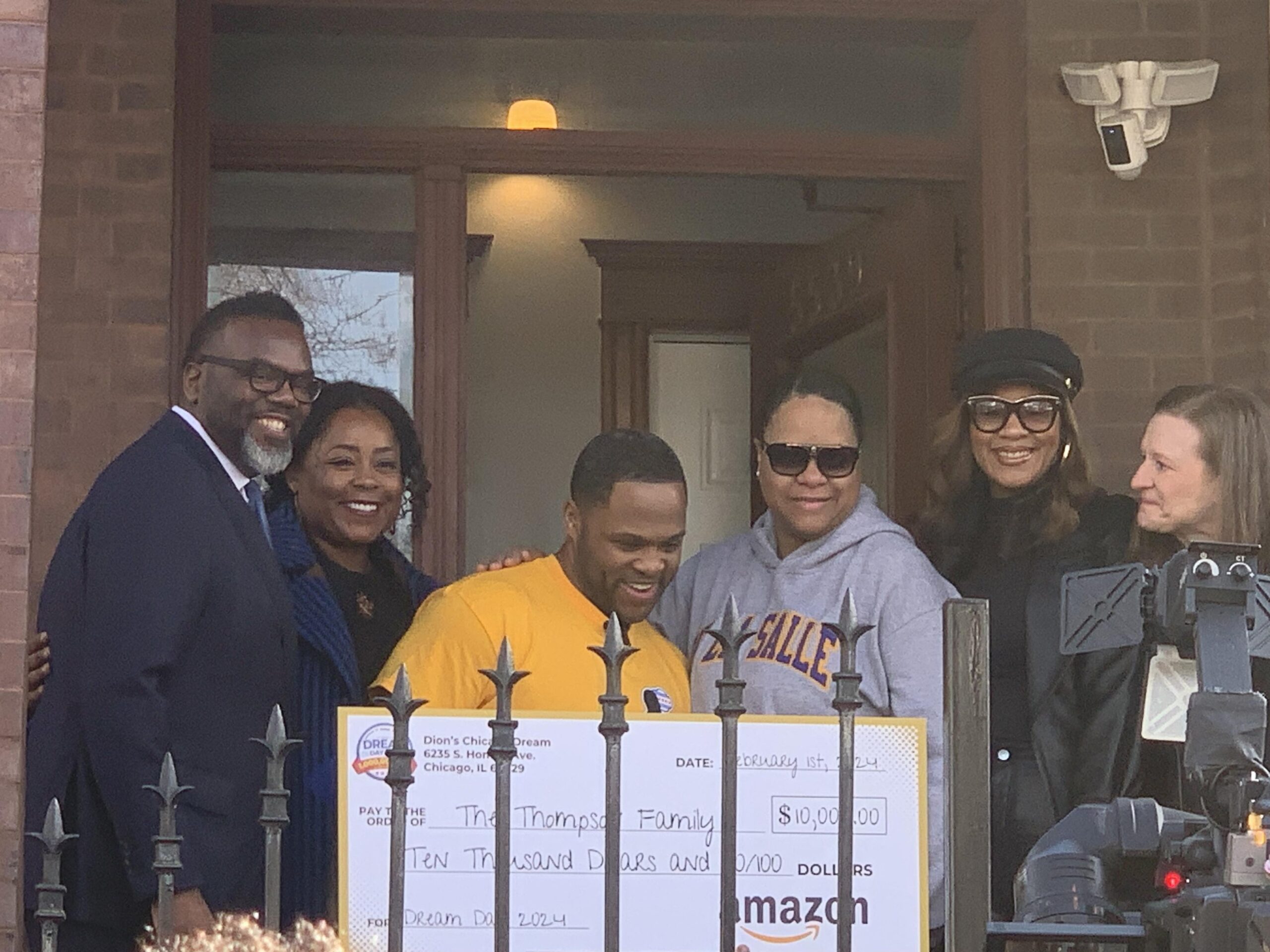
Monica Thompson is a mom, accountant, Englewood resident, and one of the first neighbors who signed up for free fresh produce when Dion’s Chicago Dream began in 2020. When she came downstairs that morning, she thought she would just be receiving another delivery.
But in addition to the one-millionth pound of fresh produce, Thompson received a $10,000 check sponsored by Amazon, $1,000 for groceries at Save-A-Lot, a personalized Chicago Bulls jersey with a VIP ticket package, and swag bags from supporters of Dion’s Chicago Dream.
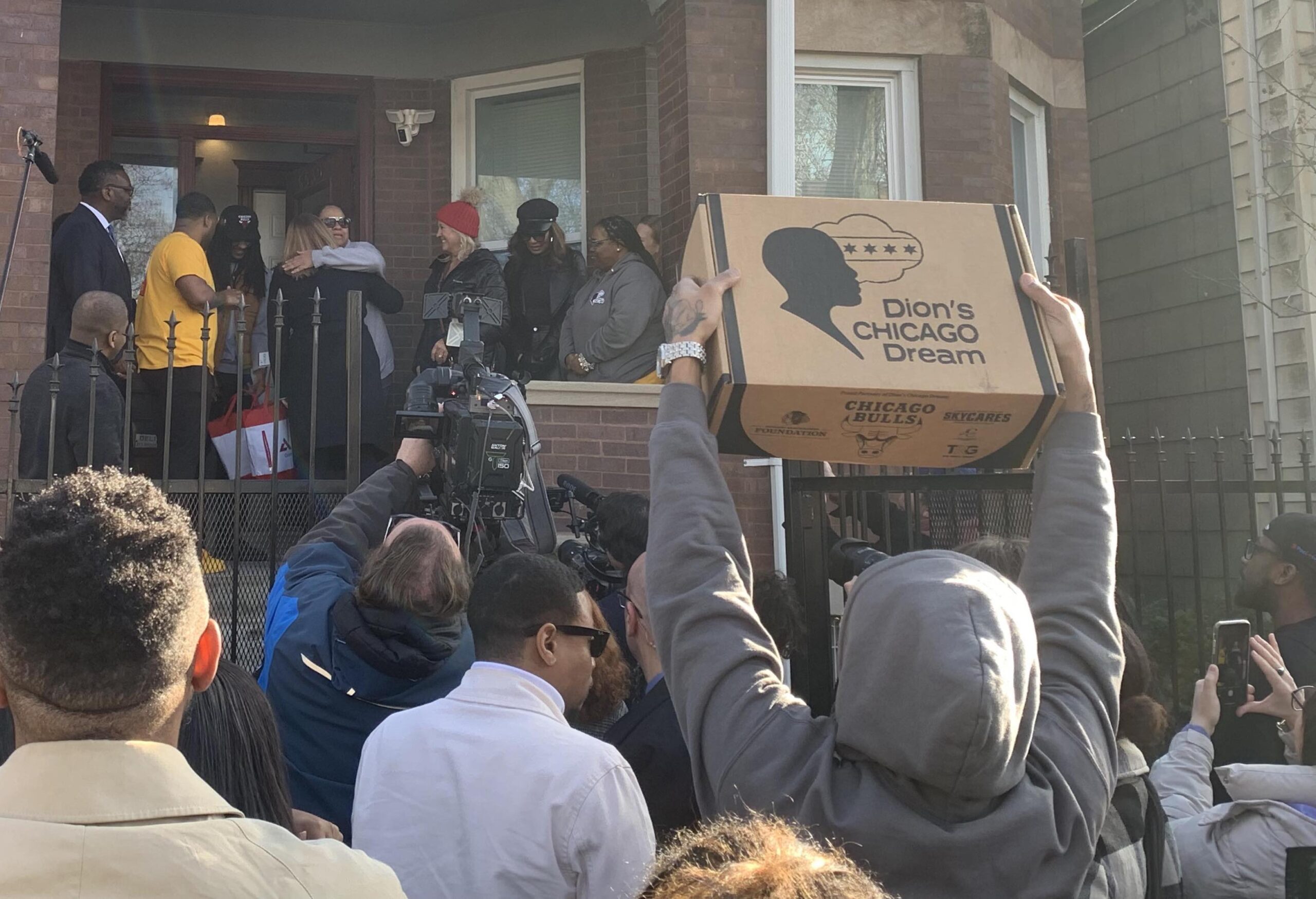
Team member in a gray hoodie holds up the one-millionth pound of fresh produce, later handing it to Thompson.
Dion Dawson, Chief Dreamer, was joined by Mayor Johnson, Alderwoman Stephanie Coleman (16th), State Representative Sonya Harper (D-Chicago) and dozens of neighbors to present the awards. When Thompson heard what she would be receiving, she erupted in a cheer and happy tears. “I thank God for Dion’s Dream,” Thompson said.
She plans to use the $10,000 toward a down payment on a property so that she can rent to other neighbors in need.
Program Officer Lyle Allen and Administrator Paulina Plewa from the Foundation were present to cheer on this massive achievement. They were uplifted by the lively atmosphere of people chatting, re-connecting or meeting anew, and brainstorming new partnerships. It was “inspiring to experience and share this moment with friends and colleagues in solidarity,” Lyle wrote.
The Reva and David Logan Foundation has supported Dion’s Chicago Dream since 2021. Most recently, we invested in a 20,000 square-foot property in Englewood for the organization, which they are converting into a distribution center and community space. We are excited to continue supporting them as they fight food insecurity with their unique approach to community outreach.
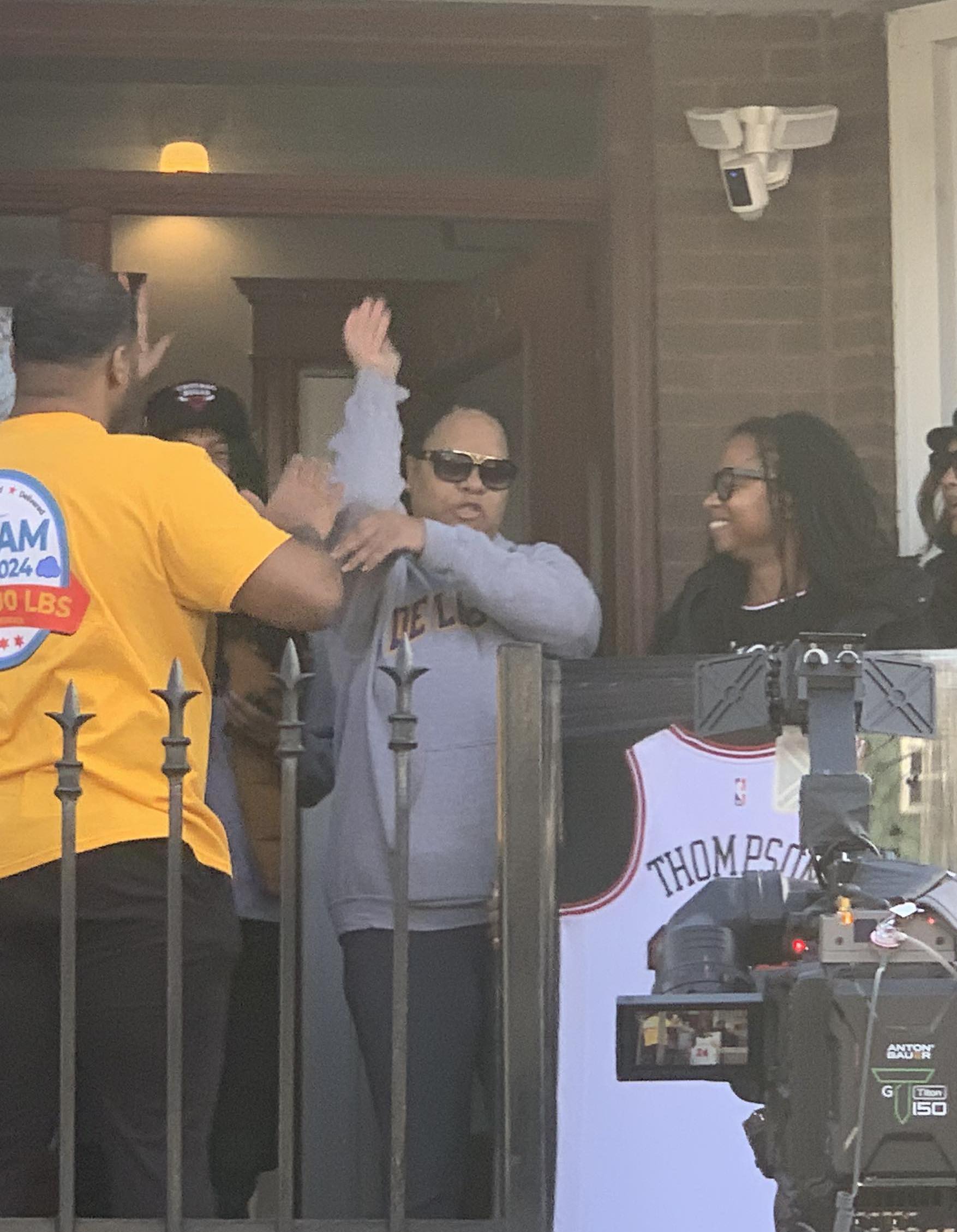
Thompson mimicked shooting a basketball and said “Swish!” as she was presented with her jersey.
2023 was a fruitful year for The Reva and David Logan Foundation (RDLF). Our small and mighty team awarded over $9 million in grants to 83 organizations; donated almost $2 million in in-kind goods to 70 nonprofit partners; rescued almost 127,000 pounds of food from corporate partners and redistributed it all to those in need; and invested in two more properties to provide organizations with physical space, which was critical for their missions. (Read the complete details here.)
But it’s not all about us. Our grantees and partners are excelling at creating lasting change, and we are constantly inspired by the work they do. While we’d love to list every accomplishment and memorable moment, the following is a brief recap of the team’s highlights for 2023.
Arts
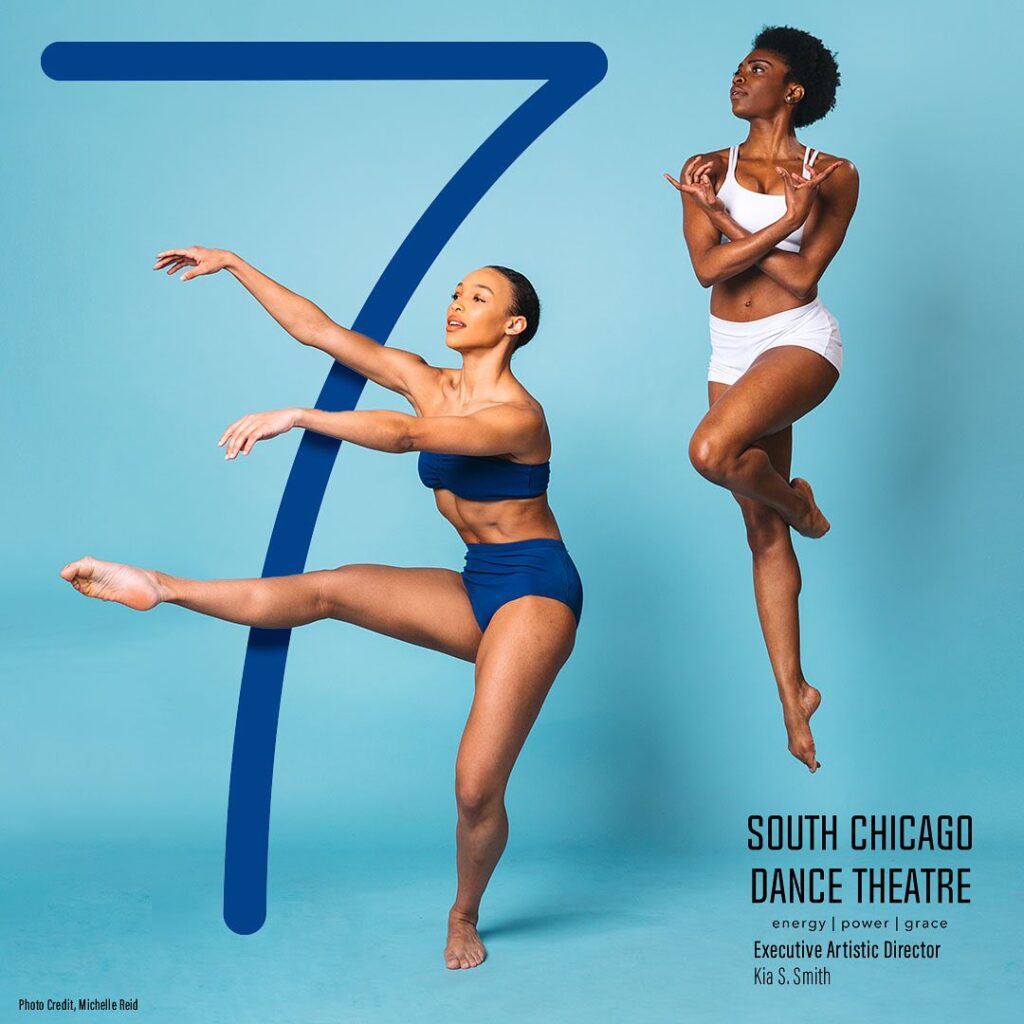
Our arts grantees are challenging prevalent norms throughout the nonprofit sector by prioritizing equitable wages and expanding access to the arts. South Chicago Dance Theater began providing health insurance for their dancers—something we hope becomes less rare for performing artists across the industry. Roman Susan Art Foundation and Red Line Service joined our grantee 3Arts in becoming W.A.G.E. certified. Chicago Dancemakers Forum piloted their DanceChance program, which provides the lowest barrier to entry for independent dancers to be paid for their creative process. And for the first time in their five-year history, OTV expanded their fellowship internationally in their mission to prioritize intersectional writers, directors, and producers from marginalized communities.
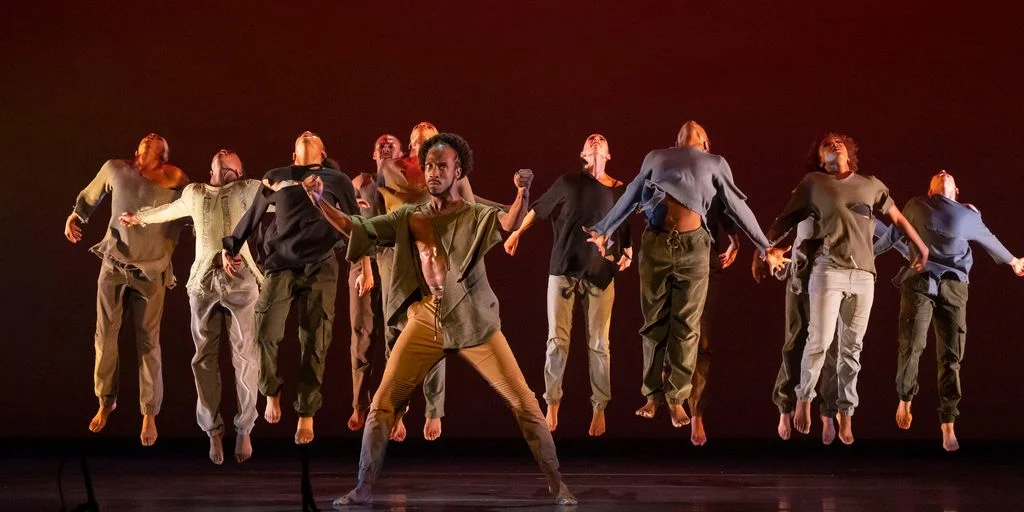
In addition, we were pleased to see Deeply Rooted Dance Theater get their well-deserved flowers. When we met with their leadership in the spring of 2023, we knew that they deserved much more recognition than they had been getting in the years before. We invited them to apply for a five-year grant because we wanted to tangibly demonstrate our trust in them. By the end of 2023, they began providing health insurance and retirement plans to their employees, raised over $14 million toward their capital campaign, and received overwhelmingly positive recognition in the news (see Crain’s Chicago Business, Chicago Tribune, Chicago Reader for just a few examples). Their productions match up to their stellar leadership. Program Officer Jessica Jones-Lewis went to see their November performance and was deeply moved by the skill, expression, and storytelling of their pieces.
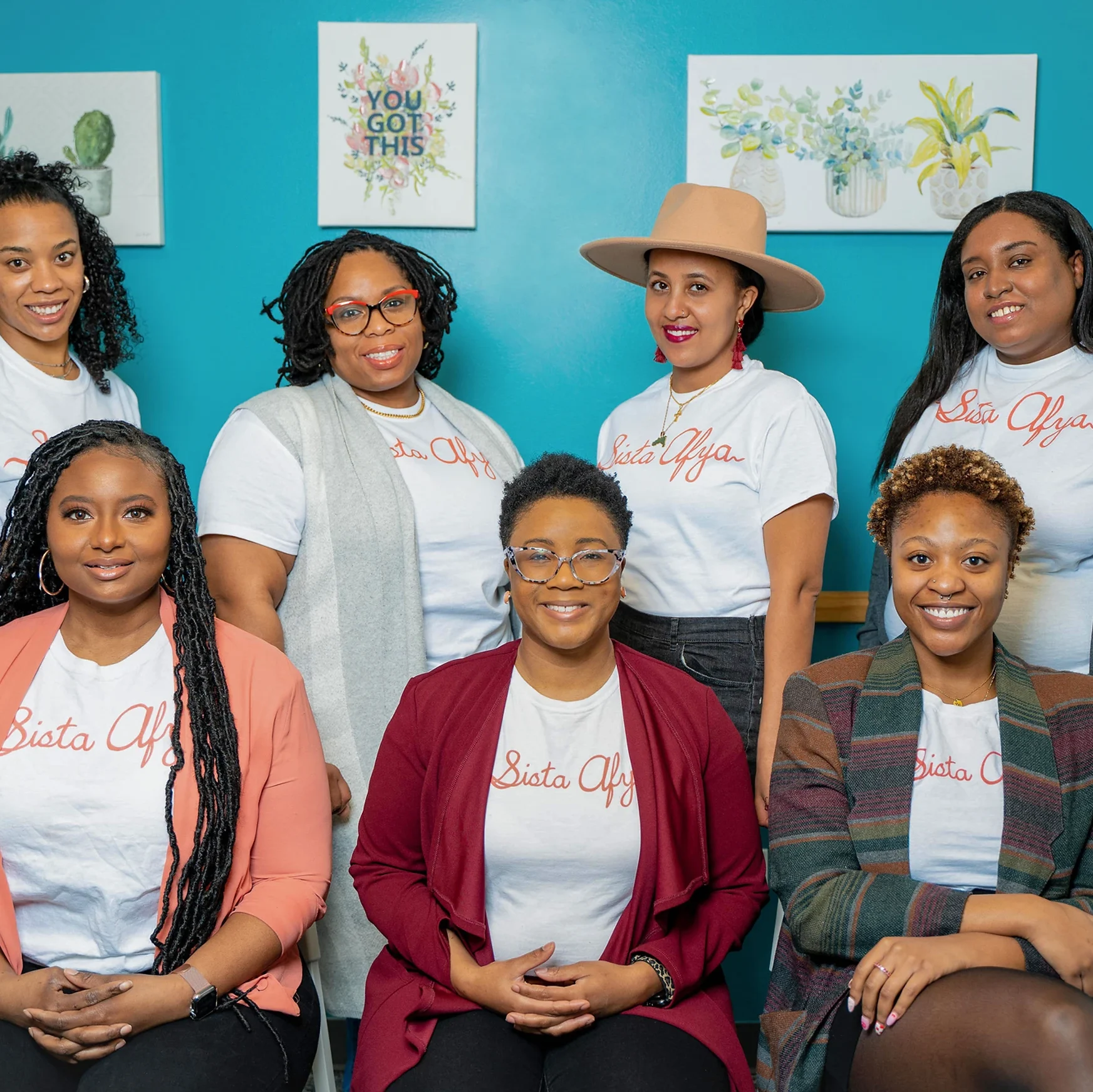
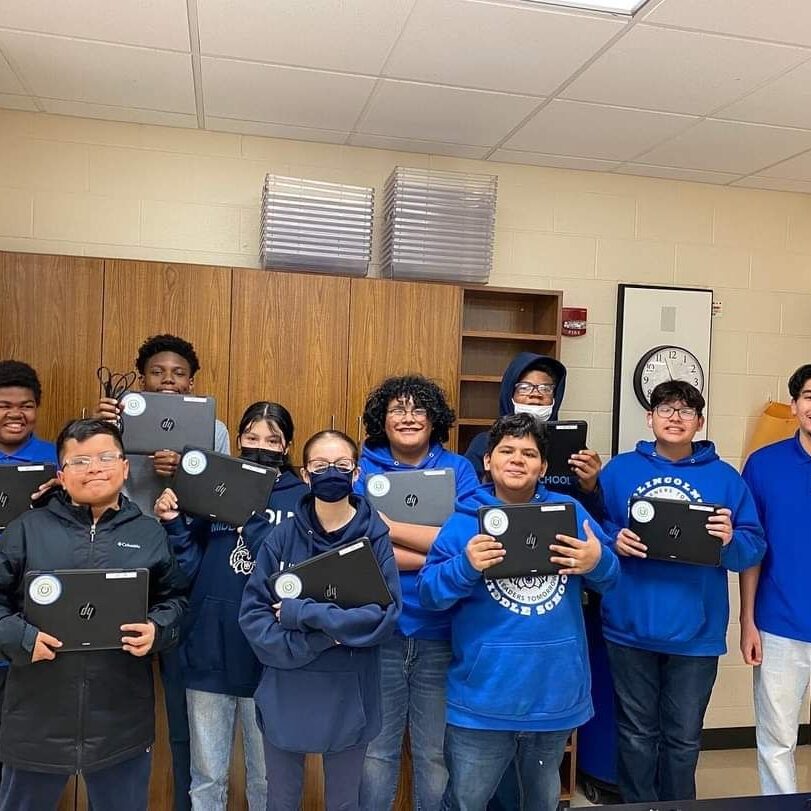
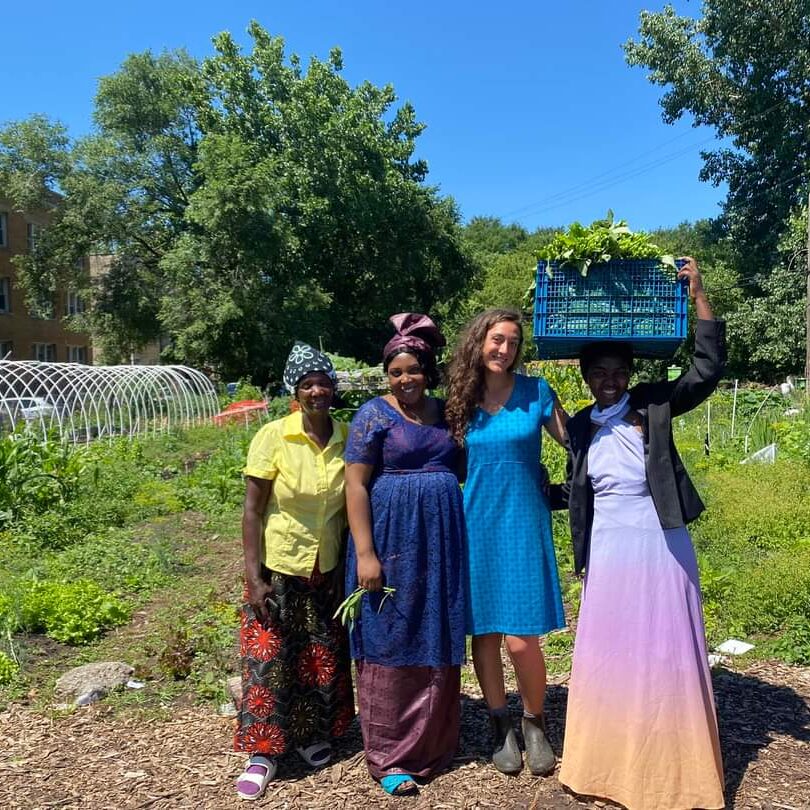
Within our social justice portfolio are a wide array of organizations providing direct service in areas such as housing, education, food security, community health, and more. When we meet with many of these grantees, their clients are often eager to give testimonies about how their lives have been changed for the better. In 2023, we saw our grantees’ impact reach even farther. Sista Afya was able to build administrative capacity with RDLF funding, which allowed them to provide mental health services to more women than ever before. Youth Crossroads was able to support an additional community counselor, allowing them to serve students outside of schools and their families. RDLF’s thought partnership played an important role for Global Garden Refugee Training Farm (GGRTF)–when Founder Linda Seyler retired, Program Officer Lyle Allen began weekly check-ins with new Executive Director Haley LeRand to provide guidance with her transition and GGRTF’s future.
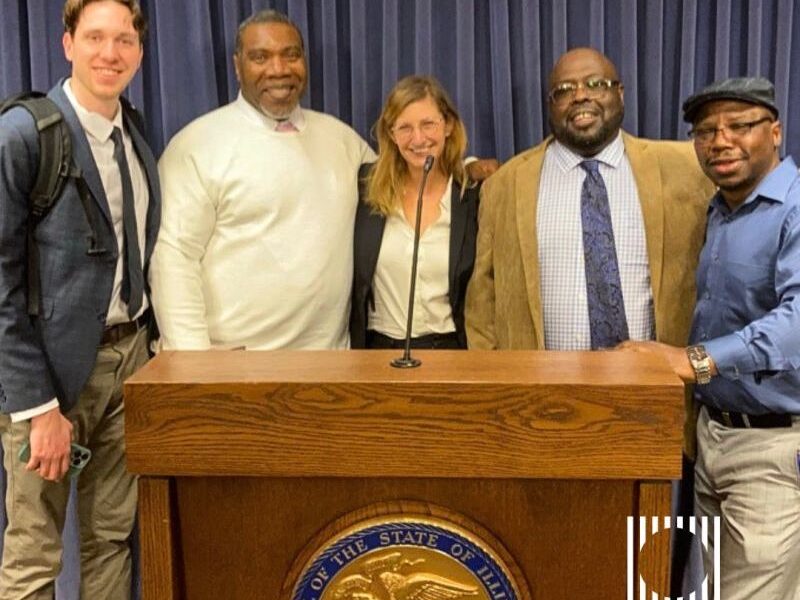
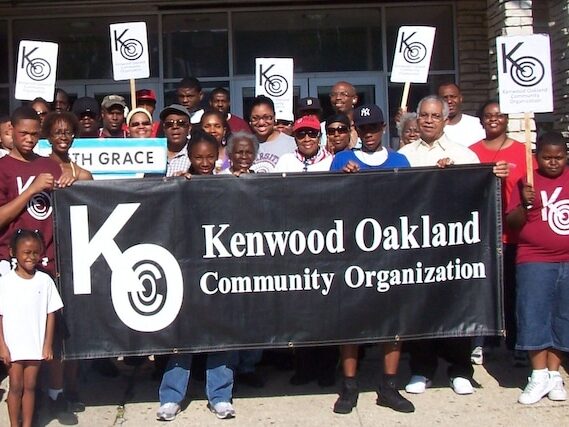
We have also been excited about our organizing grantees, who have been working on the ground toward systemic change. Illinois Prison Project (IPP) launched The Hope Project, which in its first year has already resulted in the release of five clients. IPP also introduced a felony-murder reform bill in the Illinois House of Representatives. Kenwood Oakland Community Organization worked with seniors to establish a Bill of Rights surrounding decent living conditions and equitable treatment. Healing to Action hosted over 500 conversations with community members that raised awareness about gender-based violence, and engaged 120 people in pushing the school district to implement a sex-ed curriculum. We saw a few leaders recognized for this work and appointed to City task force and committee positions, including Karla Altmayer from Healing to Action and Jianan Shi from Raise Your Hand IL.
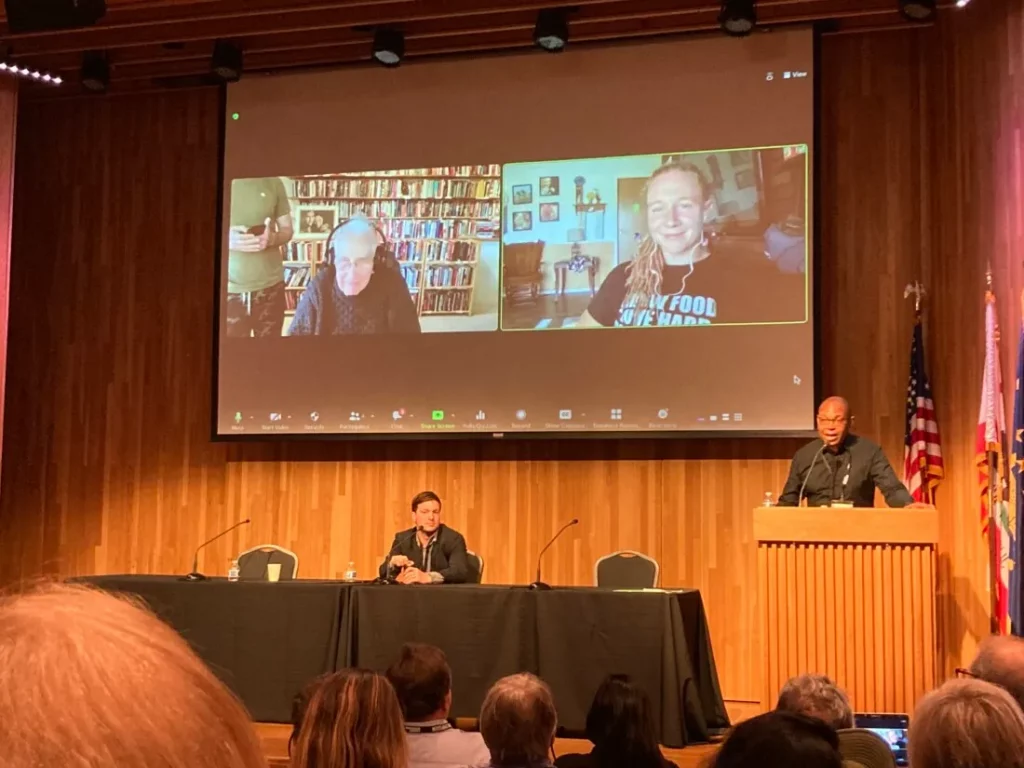
We were pleased to see many of our journalism grantees at the Investigative Reporting Program’s 2023 Logan Symposium. The panels stood out not only for highlighting outstanding work in investigative journalism, but also for urging those in attendance to do better when it comes to the treatment of sources and whistleblowers, and scrutinizing information that is provided by law enforcement. Our grantees participated on panels and networked outside of events, and some of those meetings led to deeper connections and shared projects. Rahsaan Thomas from Empowerment Avenue and Jesse Vasquez from Pollen Initiative, both formerly incarcerated individuals, shared a panel and tackled issues journalists face when covering prisons. Trevor Timm from Freedom of the Press Foundation spoke with Daniel Ellsberg and Reality Winner about challenges whistleblowers face in the United States. Post the symposium, several of our grantees are holding regular monthly meetings to share ideas and support.
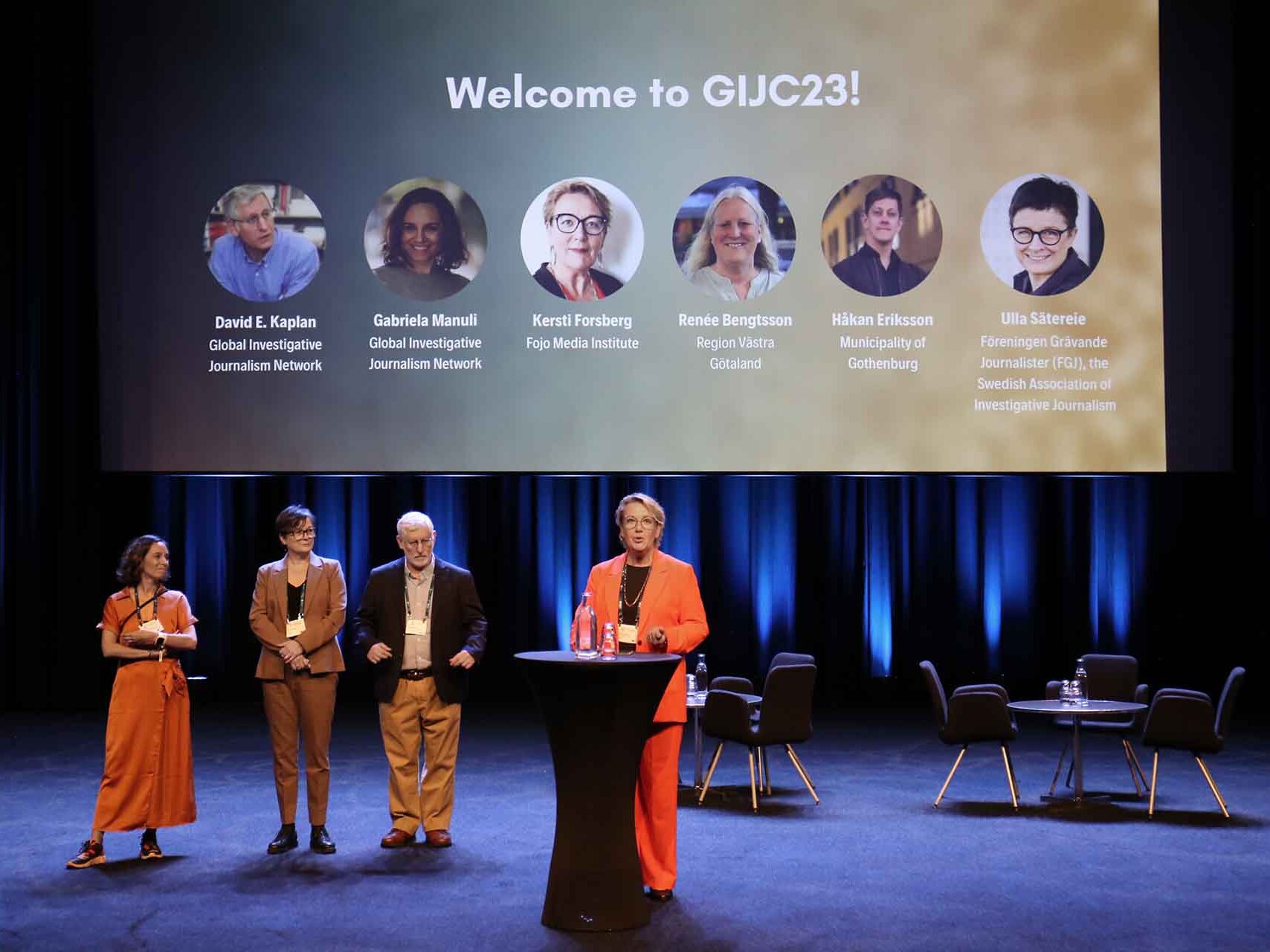
Richard and Crystal Logan were also able to attend the 2023 Global Investigative Journalism Conference in Gothenburg, Sweden. They saw over 2000 journalists, and met with funders and interested parties to talk about achievements, challenges and plans for the future. Many of our worldwide grantees were present.
Program Officer Germán Castañeda attended the Double Exposure Film Festival and Symposium, where attendees gained insight into the often years-long process to make these films, about the dangers faced by some of the creators, and of the myriad of choices made that are often not considered by viewers.
Global Investigative Journalism Conference. Photo credit: Fojo
Outside of symposiums, our grantees have been making waves in the world of investigative journalism this year. Organizations that we funded when they could still be considered “start-ups,” like El Tímpano and New York Focus, amassed huge success and connections with big funders. Several of our grantees won award after award for their critical reporting–for example, Reveal took home 3 National Edward R. Murrow Awards, which is a significant number compared to the organization’s size. Many of our grantees found innovative ways to reach a multi-media audience, such as how Investigate Midwest created a WhatsApp community for their audience of immigrants and farmworkers. And we saw direct impact from our grantees’ efforts, whether it was retaliation from the government (see: “Disclose journalist taken into custody“), or hundreds of community members coming together to support a cause (see: “Bristol raises £10k for Barton House residents in 48hrs“).
Physical Space
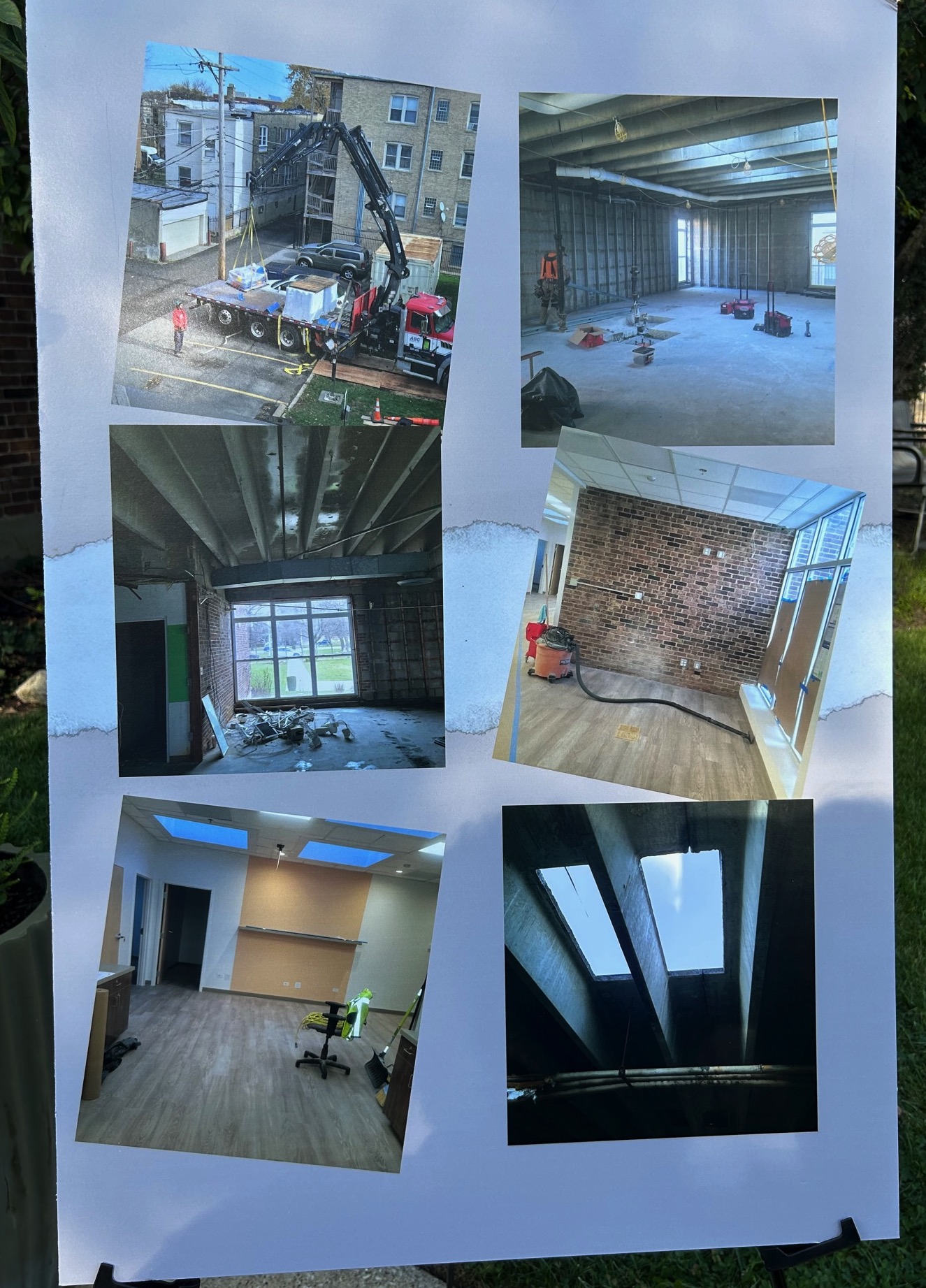
In 2023, we celebrated our grantees who opened or broke ground on new spaces. Impact Behavioral Health Partners’ Lanam Rapp building offers 16 individual units for people living with serious mental illness; The Boulevard’s rebuilt east wing restores capacity for their innovative health programming; and Sarah’s Circle soon-to-be third building will provide 28 apartments for women experiencing homelessness.
But for some organizations, the cost of renting or buying a physical space can strain budgets and stunt growth. The RDLF has purchased properties across the city as a direct and tangible investment into these organizations. In 2023, we saw several of our partners make great strides in enriching communities with the infrastructure we provided.
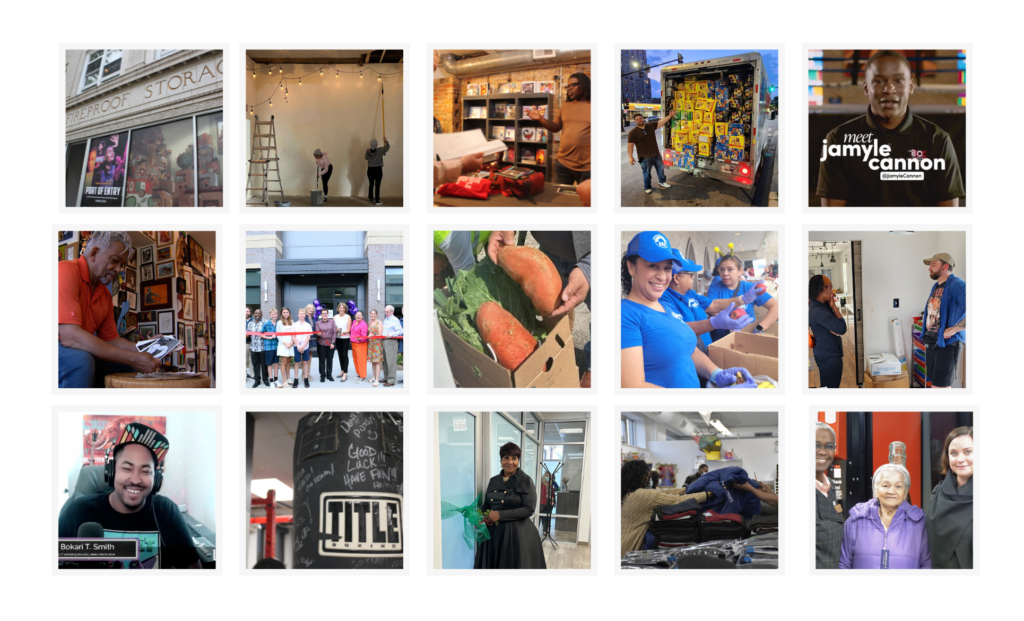
One unforgettable success: Port of Entry opened its doors in the summer to a raving audience. The RDLF purchased the building for Albany Park Theater Project’s production and toured the space while it was still under construction in May. The amount of creativity poured into each and every room was breathtaking, and the show itself was both heart-wrenching and inspiring. But what makes this investment even more meaningful is how it centers Albany Park. The production employed Albany Park youth and community members throughout the entirety of the production, and many of the since-graduated high school seniors are continuing to support Port of Entry as interns, staff, and performers.
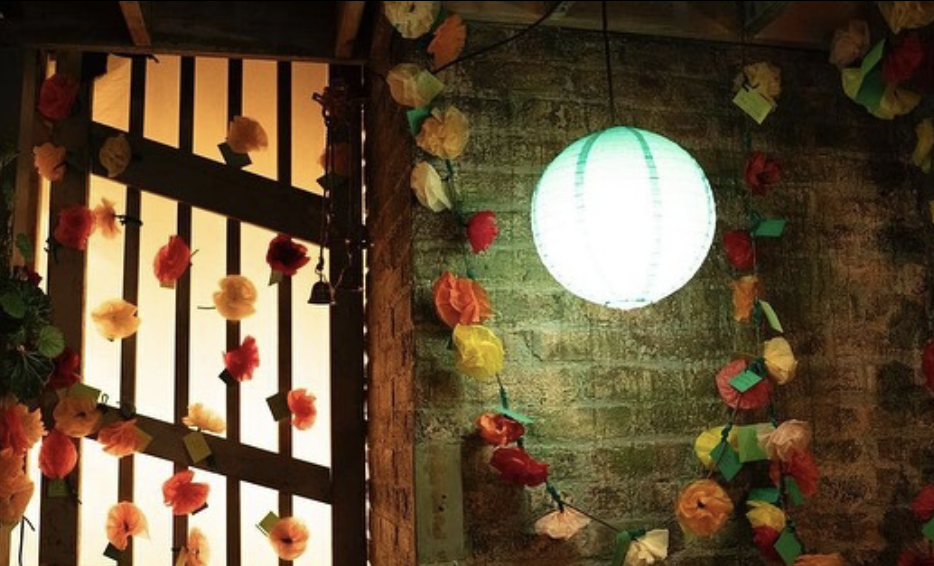
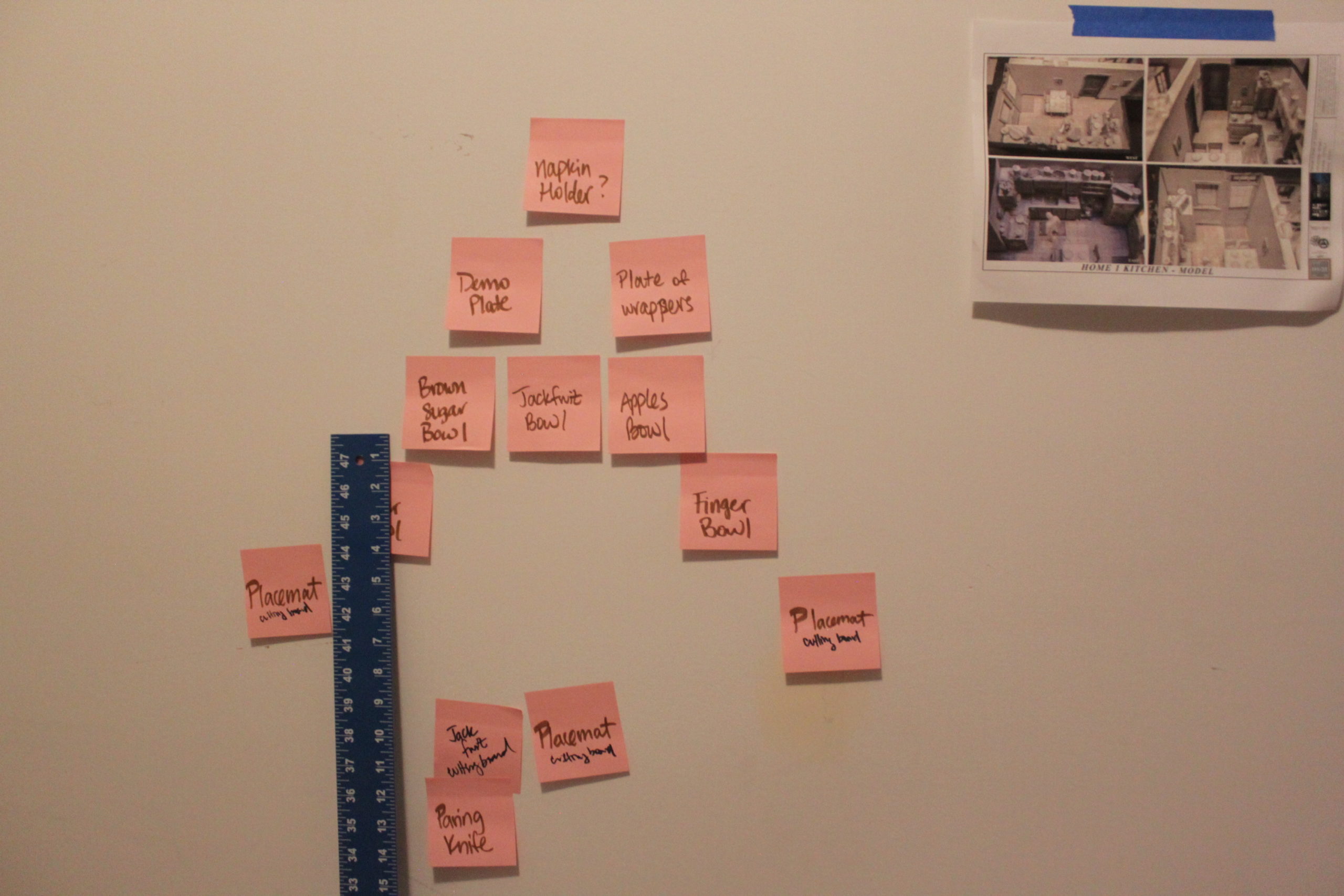
Each of the sets and the props within Port of Entry were carefully crafted to complement each family’s story. Photo credit: Eric Strom and Sarah Joyce
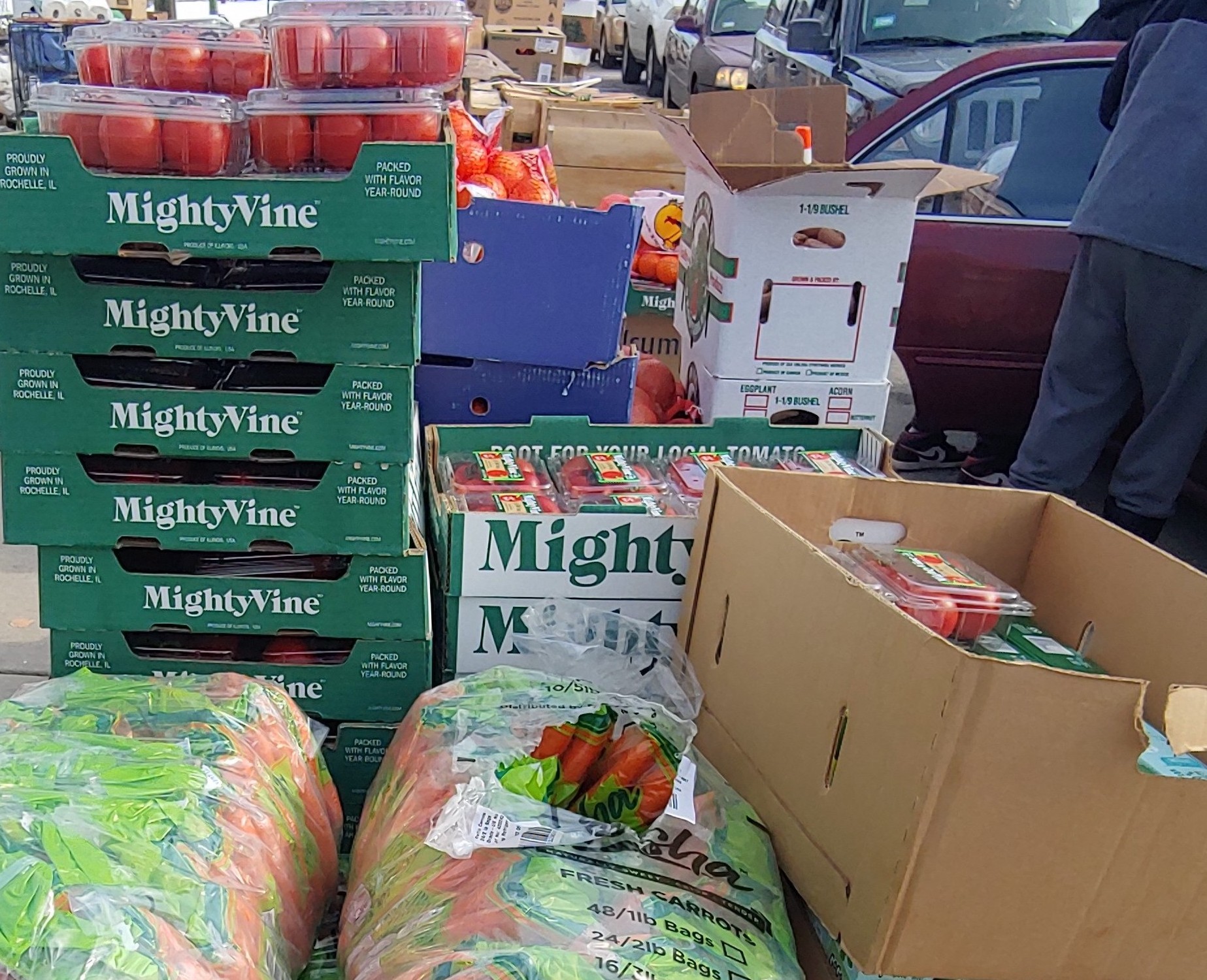
When we provided Onward Neighborhood House their second location in Belmont Cragin, a 30,000 square foot warehouse, it was because we saw them bursting at the seams trying to meet the needs of their neighborhood. While the building is not yet fully operational, they have wasted no time utilizing the space. In August they held the largest event in their 129-year history in the warehouse parking lot, providing fresh produce, clothes, health screenings, and much more.
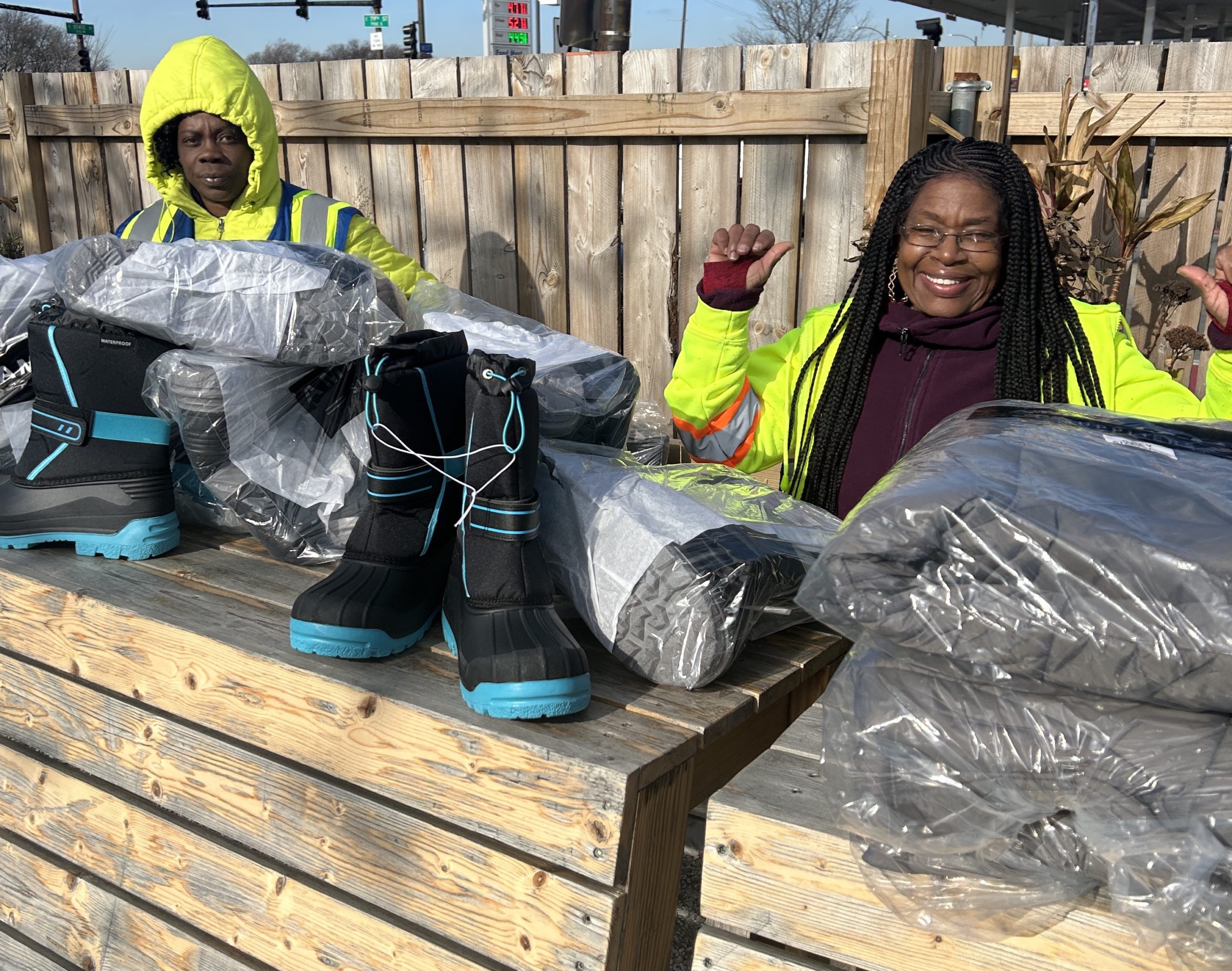
Meanwhile, Taskforce Prevention & Community Services is settling in to the new home we secured in Austin. We are excited to see them expand their medical and wellness services; a food program; and in particular The Vogue School, where LGBTQ youth can express themselves through dance while being engaged in affirming healthcare. It’s still a work in progress, but when the RDLF team visited them during a winter wear distribution, they were met with a whirlwind of evening activities and a trusting, loving community.
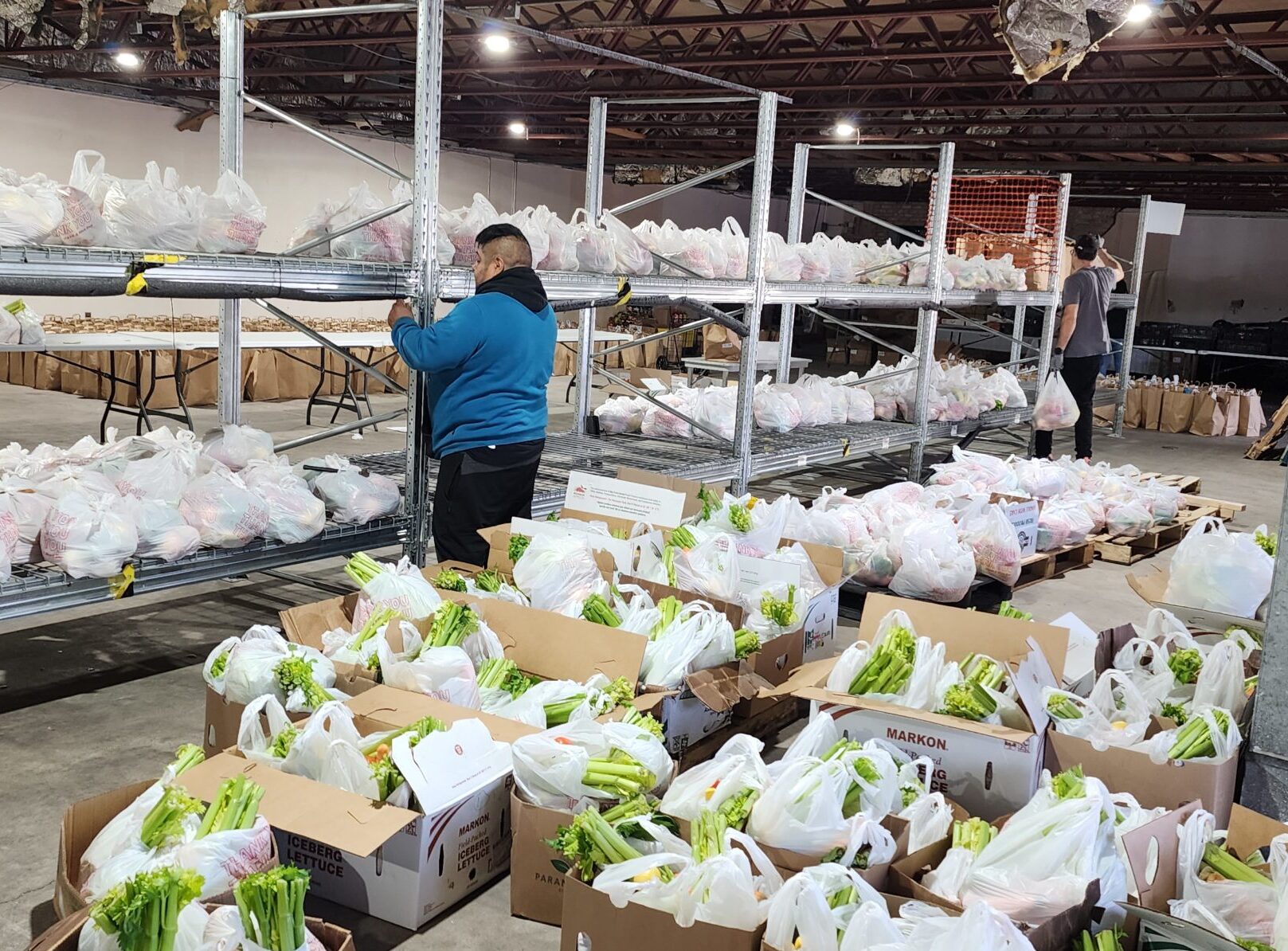
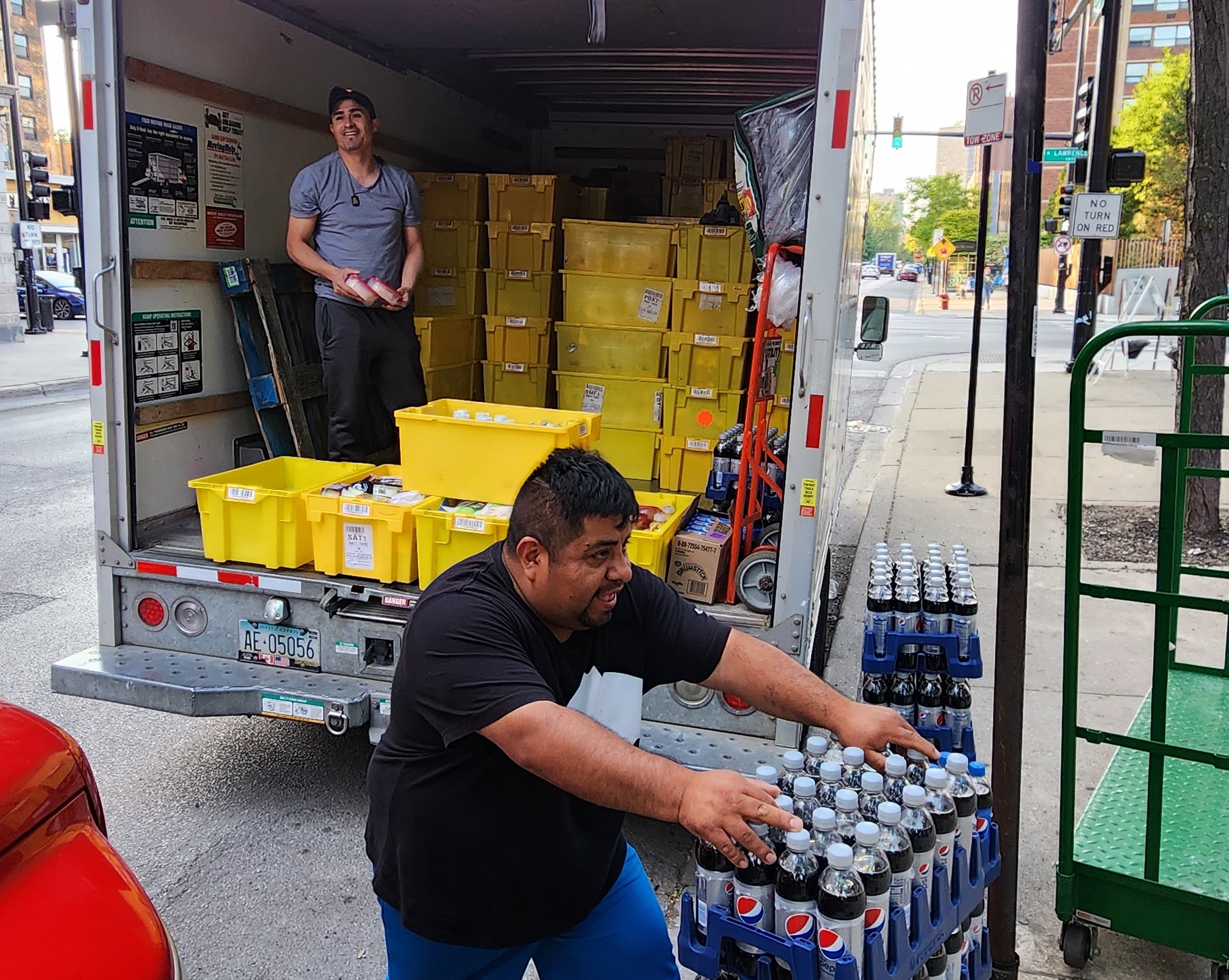
Onward House staff prepare loads of fresh produce for their community.
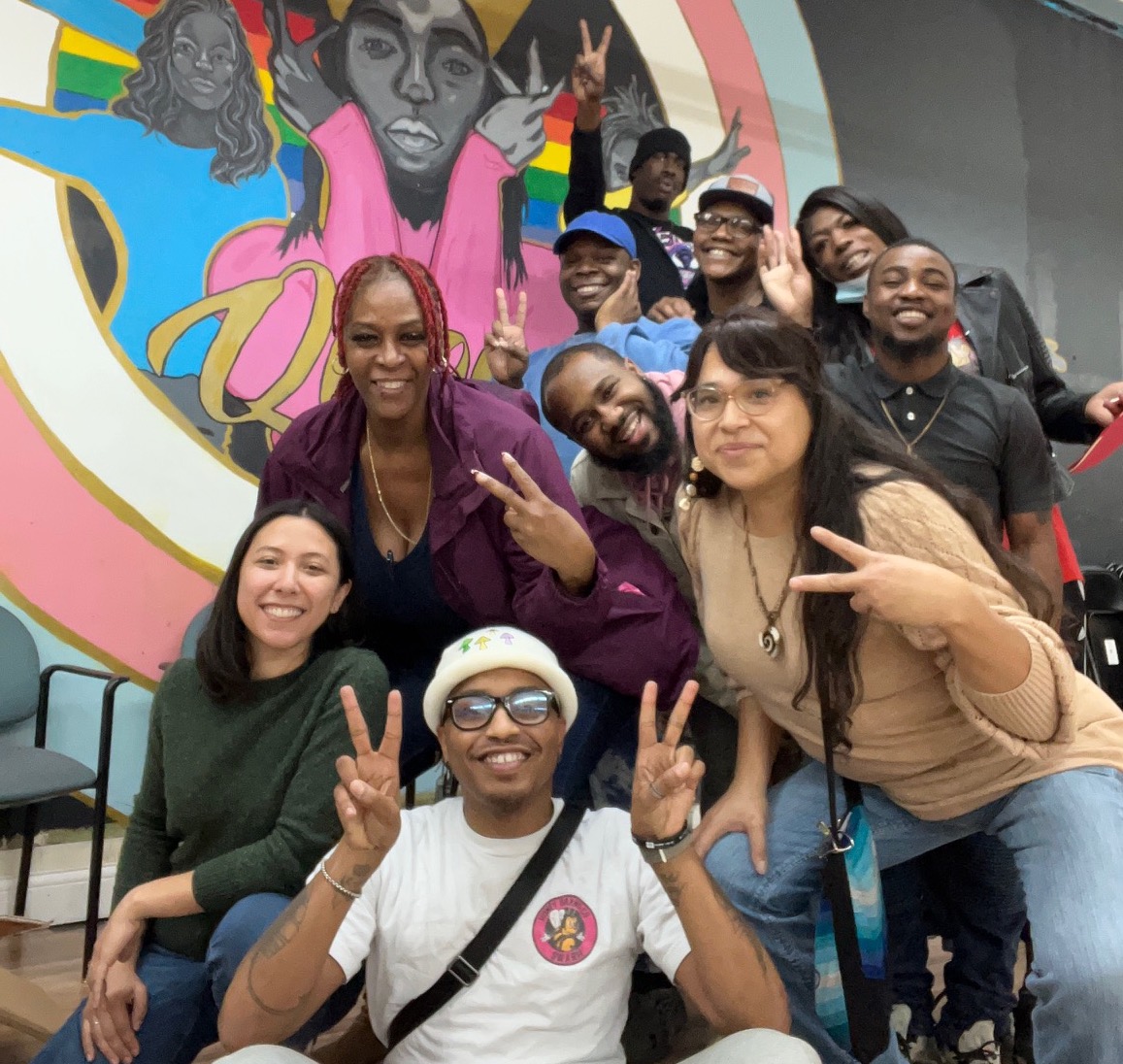
Sabrina [left] poses with Taskforce staff after a winter wear distribution.
In-Kind
2023 was a big year for our in-kind programs. Our Fresh Produce Program embraced 50+ regional farmers, sourcing 400,000+ pounds of produce that reached tens of thousands of individuals. Our Winter Wear Program provided $1.5 million worth of coats, boots, and other winter essentials to 47 different neighborhoods and thousands of individuals in need, including many new arrivals who have never seen a Chicago winter. And our Rescue & Redistribution Program blossomed into a full-fledged operation, allowing us to provide tons of food that would have otherwise gone to waste to nonprofit organizations and their communities.
Fresh Produce
Winter Wear
Rescue & Redistribution
None of this would be possible, however, without our partners and volunteers. Whether it’s by connecting us with new organizations, holding distribution events, unloading donations, or making use of even the oddest goods we’ve received, our partners and volunteers are a huge component of our in-kind operations. No matter the weather or the task, they’ve demonstrated an immense dedication to supporting those in need.
One notable superstar is community activist, René White. Working with René across all three of our in-kind programs has been an honor for the whole team. Her unwavering dedication, creative approaches, positivity, and generosity of spirit are an inspiration to everyone she meets. For decades she has been running pop-up distributions across the south side to provide fresh produce, clothes, and other necessities. In 2023 alone, the pop-ups René ran in partnership with the RDLF provided at least $200,000 worth in goods to the south side community.
Working with our partners and volunteers has been an inspiring experience for our staff. We gain new perspectives from all those working on the ground and we learn from each other the best ways to deliver the mission. This process has influenced not only our in-kind work but our grantmaking as well, as we think about our role in assisting our grantees to reach their fullest potential.
We plan to do even better in 2024. We hope all our readers have a great year!
Photo credit: René White
Each year, The Reva and David Logan Foundation aims to help our elders, families, neighbors facing unstable housing, students in temporary living situations, refugees, and other vulnerable folks to survive the cold of the Chicago winter with dignity with our Winter Wear program. Through the program, we provide nonprofit organizations throughout Chicagoland with winter gear to distribute to their communities. This year, the total request from partnering organizations was double our allotted budget, demonstrating an overwhelming need for this program.
Spearheaded by Senior Program Officer Jessie Mott, the RDLF staff remains passionately committed to this program each year, devoting significant time to organizing orders and shipments with our wholesale vendor partner Dollar Days as well as volunteering at distribution events. The true stars of the show are our many partners, who cumulatively reach thousands of people in need in the Chicagoland area through their distributions.
From the events that our staff were able to attend this year, it was clear that our partners deeply love and respect the communities they serve. Events were full of warmth and excitement, and several distributions were paired with free meals and fresh food to share together. Those at the distributions got to take their time perusing all of the winter gear (coats, boots, thermals, gloves, hats, scarves and more), making sure they had the right fit for what is sure to be another bone-chilling winter season.
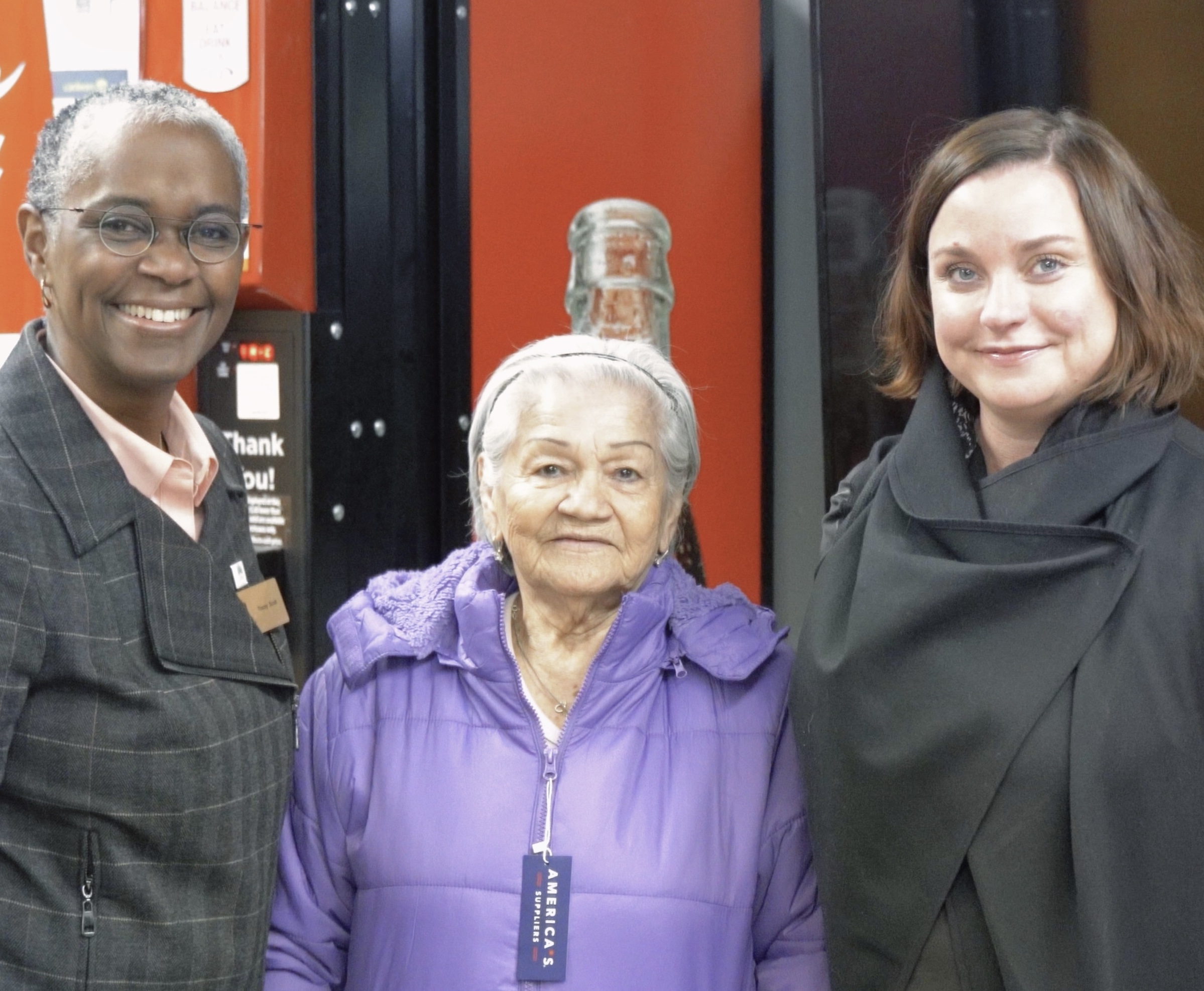
CEO Tracy Scott of CHA, a CHA resident, and Senior Program Officer Jessie Mott.
Quick Facts:
Budget of $1.48 million
59 unique organizations
70 distribution locations
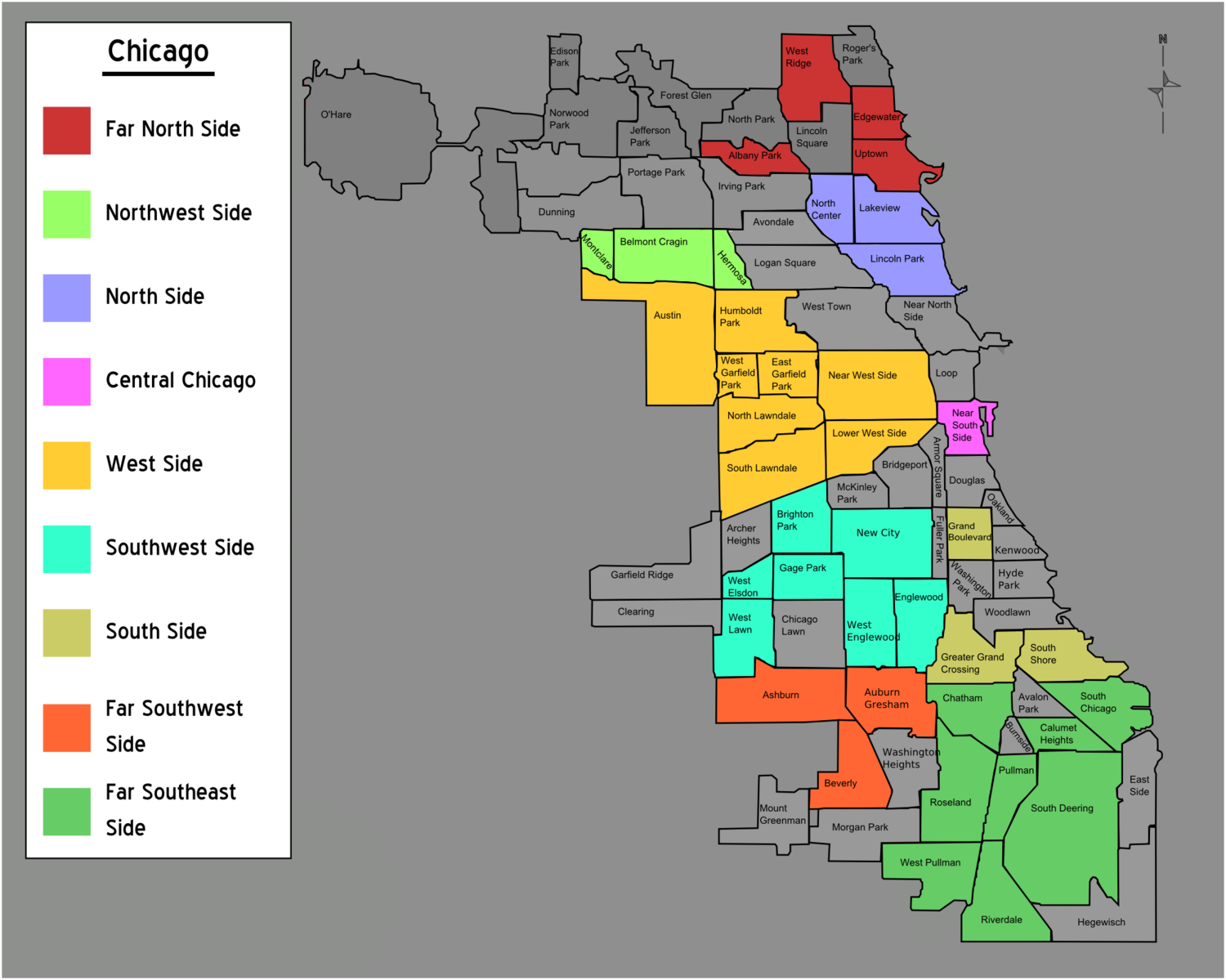
47 communities reached in the North, West, Central, and South sides of Chicago, as well as surrounding suburbs
This map does not include sites in the South suburbs (Blue Island and Harvey), West suburbs, or North suburbs.
Background
In the winter of 2017, RDLF provided funding for all 72 residents of North Side Housing and Supportive Services’ (NSHSS) emergency Uptown shelter, a grantee partner, to go shopping at a local store to try on and select their own pair of winter boots.
In 2018, once Senior Program Officer Jessie Mott came on board, the RDLF began to devise a plan to scale up the winter weather offerings to include other grantee partners and products such as coats, hats, gloves, etc. Another partner of ours, Cradles to Crayons Chicago, introduced us to the wholesale vendors that provided their winter products. We researched them and sampled their warmest coats.
Since 2019, the RDLF has been designing and distributing survey “wish lists” to a growing list of partners that include current grantees, mutual aid groups, CPS schools, food pantries, and churches.
With our growing team, the process has become more collaborative and refined. We are currently revising the survey to capture more of the information needed on the front end to allow for seamless accounting post-distribution.
What was the catalyst for starting this program?
Jessie: It should go without saying that here we believe everyone deserves the right to be protected from the cold, have access to healthy food, and a safe place to live. While RDLF’s strategic grantmaking has its eye on systems change, we cannot ignore that thousands of our very own neighbors are unhoused, hungry, and struggling to stay warm during these brutal Chicago winters. The program began with a single grantee that operated a men’s shelter in Uptown, and now we have extended the program to the majority of our partners who work with unhoused children and adults as well as various other groups.
How has the need for this program evolved over the years?
Jessie: The need continues to grow exponentially. Of the 70,000 (conservatively speaking) unhoused people in Chicago coupled with the influx of recent migrants, we realize there is no way for us to solve the issue alone. We can, however, do our part by connecting with our trusted partners and their networks to reach some of the city’s most vulnerable people and provide them with brand new, attractive, warm clothing that don’t look like donations.
What are your goals for next year’s program?
Jessie: We hope to find other funders who can collaborate with us in the future, primarily through financial contribution, to expand the program. We have done extensive research and know how to reach some of the hardest to reach. With additional support, we can leverage our networks to provide warm clothing to thousands more.
How can other people help?
Jessie: We’d love to talk to other foundation or corporations who’d like to learn more about our work and get involved. For instance, there could be opportunities to “sponsor” some of our winter program partners to ensure that their wish lists are fulfilled. We do our best to fulfill each order in its entirety, but unsurprisingly, the budget is exceeded very quickly.
From our Winter Wear 2023 partners:
Connections for the Homeless: “Thanks to the [RDLF], we were able to assemble an extensive collection of coats and boots of various sizes and colors to suit everyone’s needs. The spirit of giving and solidarity was palpable as volunteers organized donations and helped those attending the event find the cold-weather gear they needed.”
Chicago HOPES for Kids: “HOPES has been busy this past week gearing our students up for the upcoming winter season ? Thank you to The Reva & David Logan Foundation for their generous in-kind donation of winter clothing!”
Onward House: “We would like to thank the Reva & David Logan Foundation for an outstanding gesture of holiday giving. We received from them a shipment of 19 pallets of winter clothing for participants in our center-based education programs and Illinois Welcoming Center. The donation includes hundreds of winter coats, winter boots, and hoodies that arrived just as the weather got colder. Your support means so much to us and to those who will be warmer this season thanks to you!”
Franciscan Outreach: “[The RDLF] donated well over 3000 winter gear items! Included were 305 hoodies, 400 jackets, 423 pairs of boots, 400 pairs of thermal socks, 400 scarves, 400 neck gaiters, 400 sherpa-lined hats, 400 waterproof gloves, and 105 thermal sets! This amazing act of kindness will help guests of Franciscan Outreach as the cold winter months of Chicago rapidly approach. Thank you for ALL your support! It means the world to us!”
Common Pantry: “We served 112 households and 343 individuals. 143 of those individuals were children and 200 were adults. That is definitely a new record for our winter gear distribution and the event would not have been as successful without all of your hard work! This is always such a great event for our guests and they are always appreciative. We couldn’t do this without you!”
The Night Ministry: “The foundation’s compassionate and generous gift means so much to us and those we serve. The winter is a challenging time for our clients, and their donation will help keep so many warm. We are deeply grateful to the Reva and David Logan Foundation!”
Taskforce: “The TaskForce team would like to extend a HUGE thank you to the Reva & David Logan Foundation for their incredible donation of winter gear! We were able to give out over 200 coats, boots, and scarves to the community!”
Inner City Missions: “At Christ Community Church we served 280 people, and at Carter Temple Church we served 150 people, both same day. Great turnout, everyone was happy and grateful. These popups are a great hit in the communities. Thank you Reva & David Logan Foundation, you are the best.”
The Night Ministry: “The [RDLF] recently donated an absolutely incredible 370 hoodies, 1,380 jackets, 335 pairs of boots, 1,000 pairs of socks, 355 pairs of gloves or mittens, 250 neck gaiters, 100 hats, and 90 thermal sets to The Night Ministry! Because the donation was so substantial, staff from across departments came together to help carry the boxes inside our Bucktown headquarters to be sorted for distribution to those we serve, individuals who are unhoused or experiencing poverty.”
Connections for the Homeless: “This past weekend, our Winter Warmth event took place at the Lake Street Church, bringing together nearly 100 compassionate volunteers in a collective effort to extend warmth and care to those in need within our community. In the course of a few hours, we distributed hundreds of winter coats and snow boots to nearly 600 people.”
Sarah’s Circle: “Last week, Sarah’s Circle was able to distribute winter gear to hundreds of women in need, thanks to a very generous donation from the Reva & David Logan Foundation! These women received coats, fleeces, and thermals in any size they needed from S – 6XL, as well as hats, socks, gloves, scarves, and boots.We’d like to extend our gratitude and appreciation to our community partners at the Reva & David Logan Foundation.”
Restoration Ministries: “We held our Coat & Boot give away on Monday night. We were able to serve almost everyone! Everyone who wanted boots got them and almost everyone received a coat. Please know that we are so grateful to you and the foundation for your amazing generosity and kindness.We served about 150 families plus all of our recovery program residents who needed a coat received one.Everyone we served was very grateful too.It was a great night!”
SkyART: “Across both events, we were able to distribute a grand total of 2400 articles of winter gear and help over 200 community members across the South and West sides of Chicago keep warm this winter. Thanks again to the [RDLF’s] incredible generosity … We not only made a lasting impression on our new neighbors, but were able to lend a helping hand to recently settled immigrant families and recovering Chicagoans, alike.”
Connections for the Homeless: “As Connections CEO Betty Bogg put it, ‘There’s really nothing that can compare to the satisfaction that comes from providing someone with something they urgently need. Today, we gave out warm clothes and good feelings.’”
Photo credit: Albany Park Theater Project
This month, the RDLF team saw a performance of Albany Park Theater Project‘s “Port of Entry.” This immersive theater performance, shown to only 28 audience members at a time, takes guests through a three-story apartment building in Albany Park to experience the joys and struggles of one of the world’s most diverse immigrant communities. So far, the performance has received rave reviews from the Chicago Tribune, No Proscenium, and the Chicago Reader, as well as profiles in American Theatre, New City Stage, and the Chicago Sun-Times.
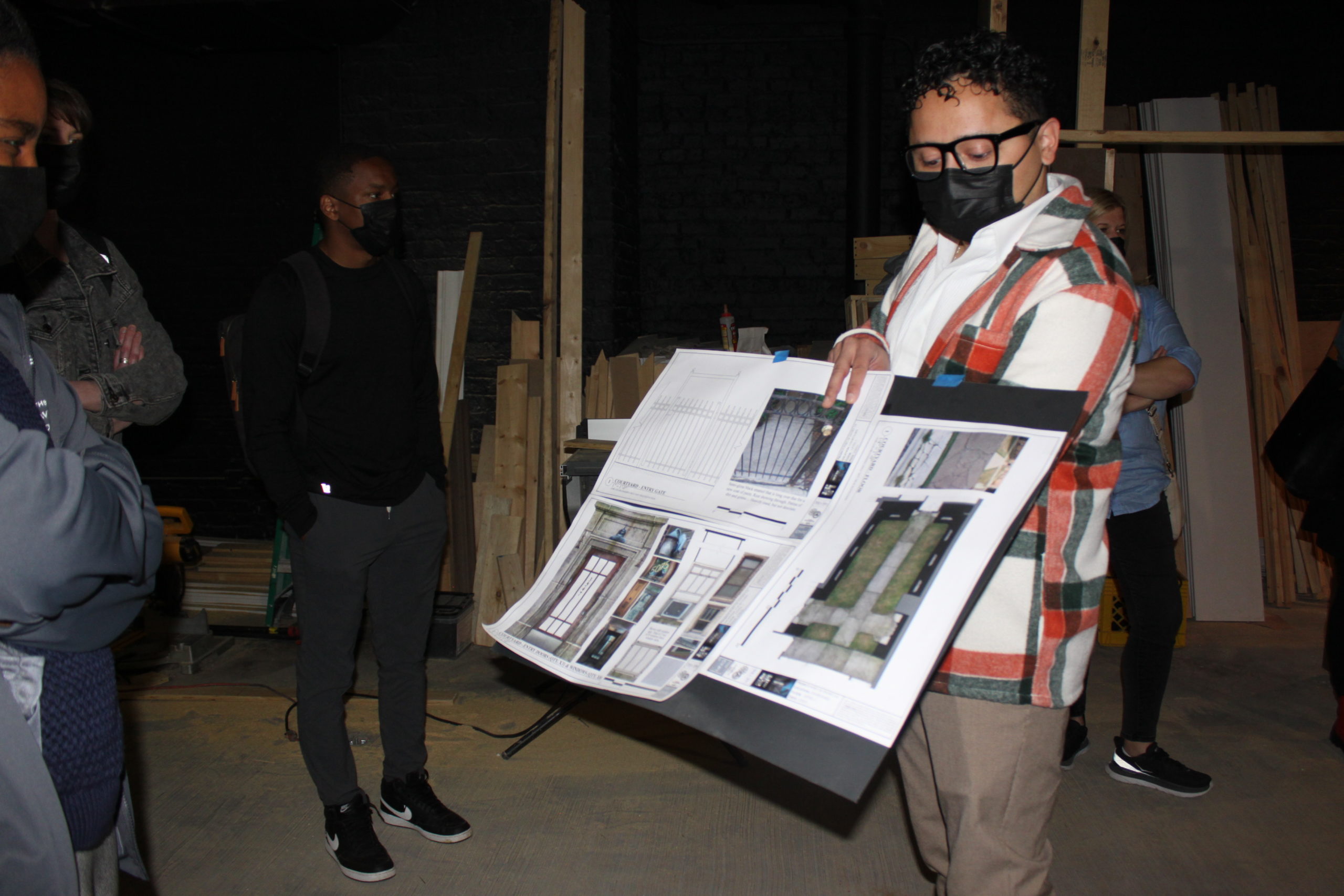
In addition to this being a very special show, it was an especially anticipated event for our team who have been engaged with this project since it was in its early planning stages. Preeti Veerlapati, Operations Manager, attended a work-in-progress performance in 2019 which began our discussions to help find and purchase a building for Port of Entry (the Fernstrom Fireproof Storage Building on Montrose). Foundation staff and board walked through the building in May while it was still under construction, with papers taped to the walls detailing their vision to come. It was exciting and emotional to see the dream become reality.
Port of Entry rightfully earned sold-out summer and fall seasons, and will take a winter break before coming back for a new season in 2024. Tickets sell out quickly, so we recommend following them on social media to stay up to date on the next opportunity to attend one of their performances.
Photo credit: Project Onward
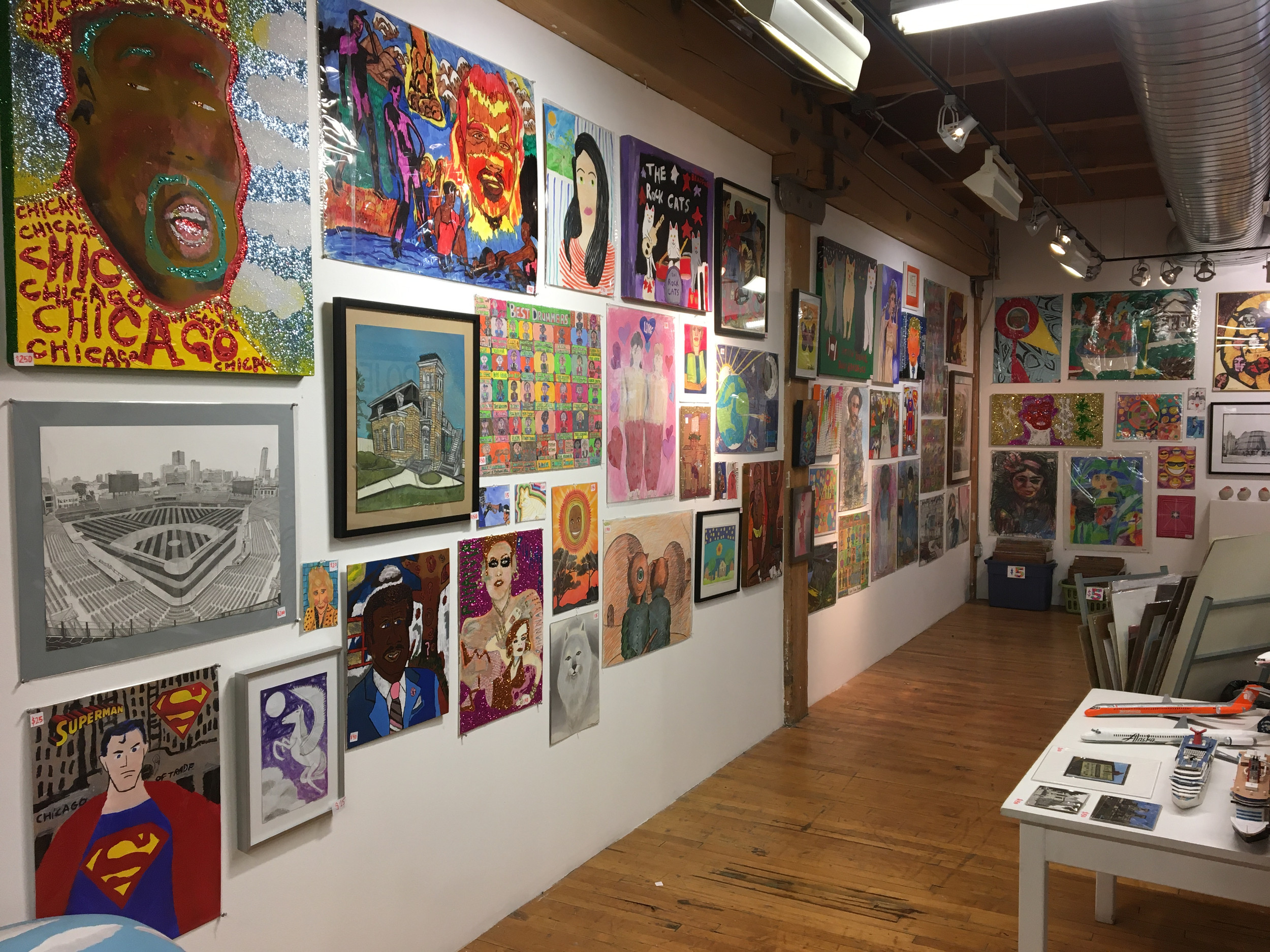
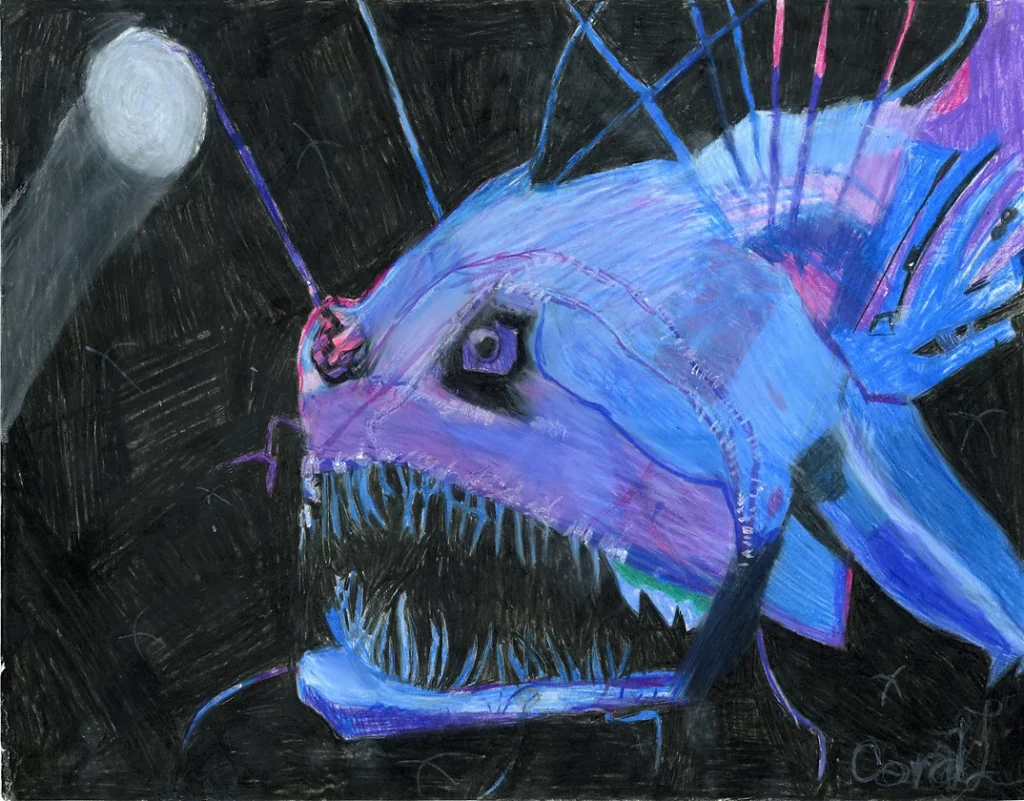
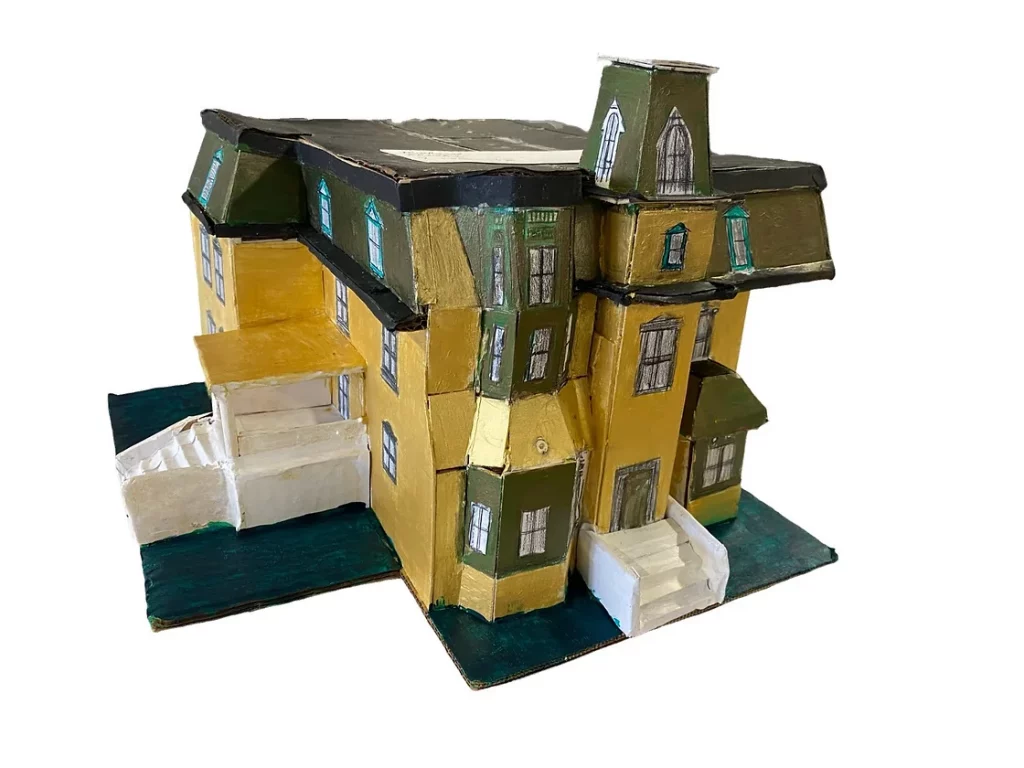
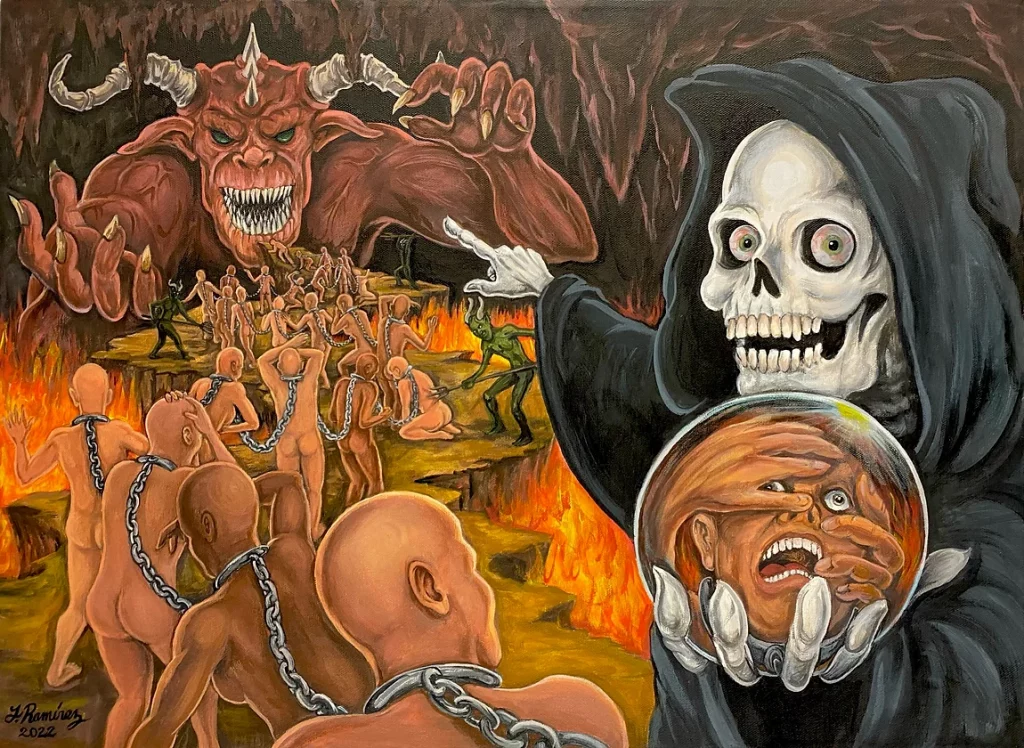
Meet Project Onward, one of our newest grantees. Senior Program Officer Jessie Mott first discovered the organization when she saw an amazing drawing of a vicious poodle by George Zuniga, one of their artists, hanging in a friend’s home. Since we began our partnership less than a year ago, we’ve been impressed with not only the enchanting and prolific artwork coming from their studios, but also the holistic care of their artists, who they regard as family.
Project Onward launched in 2004 out of a need for artists with disabilities to have a safe, supportive space to thrive creatively, experiment with new materials, tell their stories, and exhibit and sell their work. They support the endeavors of more than 60 artists, many of whom live on low incomes and would otherwise struggle to afford studio space and supplies. There is no cost for artists to be a part of Project Onward except for a 50/50 split of sales (half to the artists directly and half back into the program). All of the artists demonstrate immense talent, and their art has received accolades and been exhibited across Chicago, the United States, and internationally.
“Angler Fish,” C. Kappel
“Haunted House,” R. Willis
“Path to the Underworld,” F. Ramirez
When we first met with the team at Project Onward, they expressed a need from the artists for more individualized support. In response, we awarded a grant for a staff position whose primary responsibility would be to coordinate internal and external support services for artists. Kim Jacobs, LCPC took on the Case Manager position after having regularly volunteered with the organization. In an email to our team, however, Kim said that she doesn’t consider herself just a Case Manager. “Depending on my day,” she said, “I can wear many hats.”
Assistance with getting a gas bill reduced; finding and touring assisted living facilities; advocating at a nursing home about declining hygiene; finding new therapists or psychiatrists; food insecurity; applying for social security; as well as counseling regarding feelings of frustration about inability to find a significant other, or that another artist is too loud, or dealing with dysfunctional family members. These are just some of the challenges that Kim has supported artists through lately, and both artists and studio staff are grateful.
“In general,” Kim said, “my being here regularly has allowed our studio staff to better focus on the art. When a home, health, or mental wellbeing issue or emergency arises, studio staff no longer have to step out of their roles and become counselors, when they did not always feel comfortable assuming that role.” All in all, Kim’s role seems to be fostering even more synergy for the studio, which already had a strong sense of energy and community. The artists have more capacity to reach their full creative potential, and the studio staff have more capacity to foster their artistic careers.
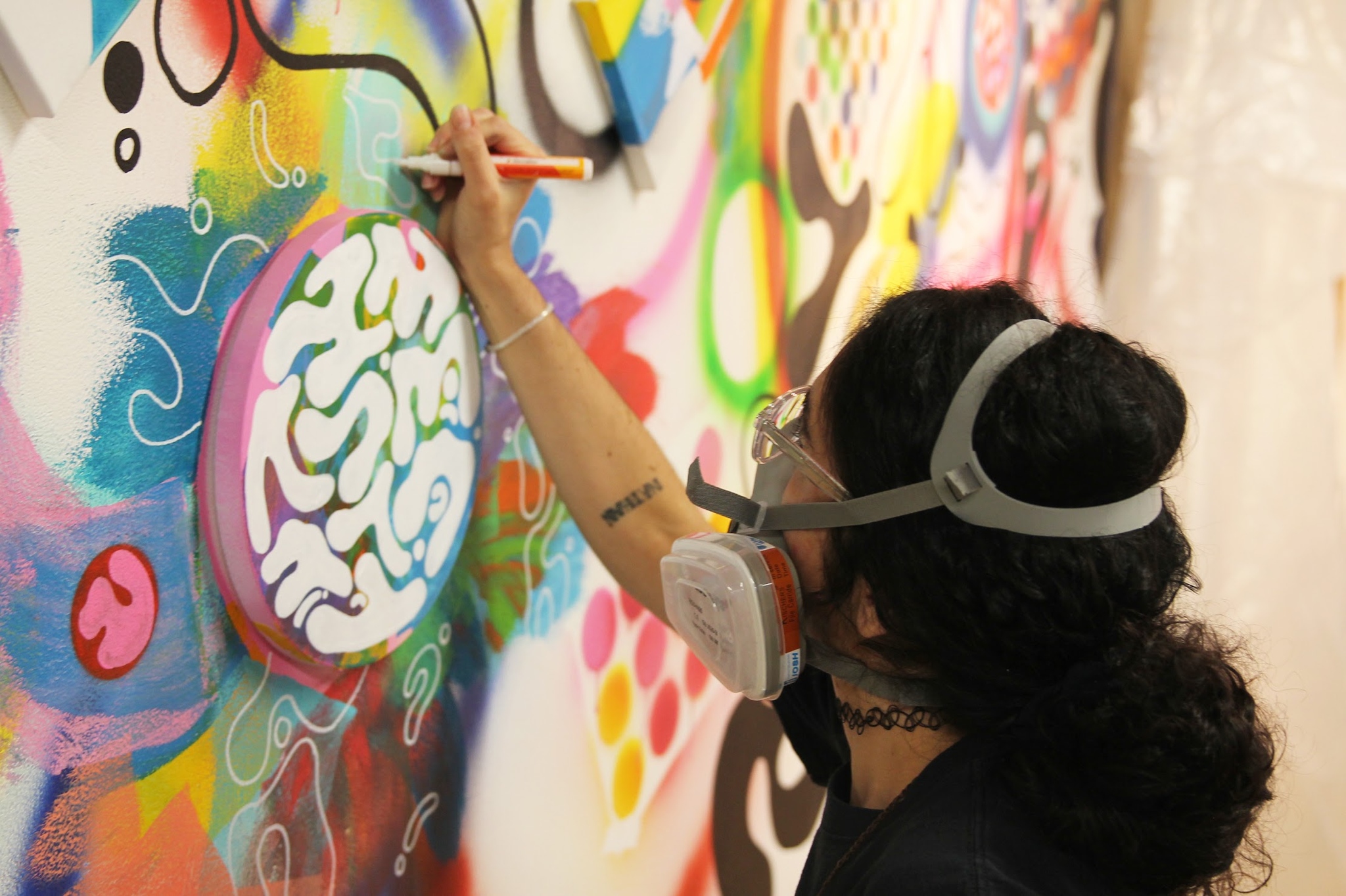
NoonSlaps painting an installation for “Bouncy House.”
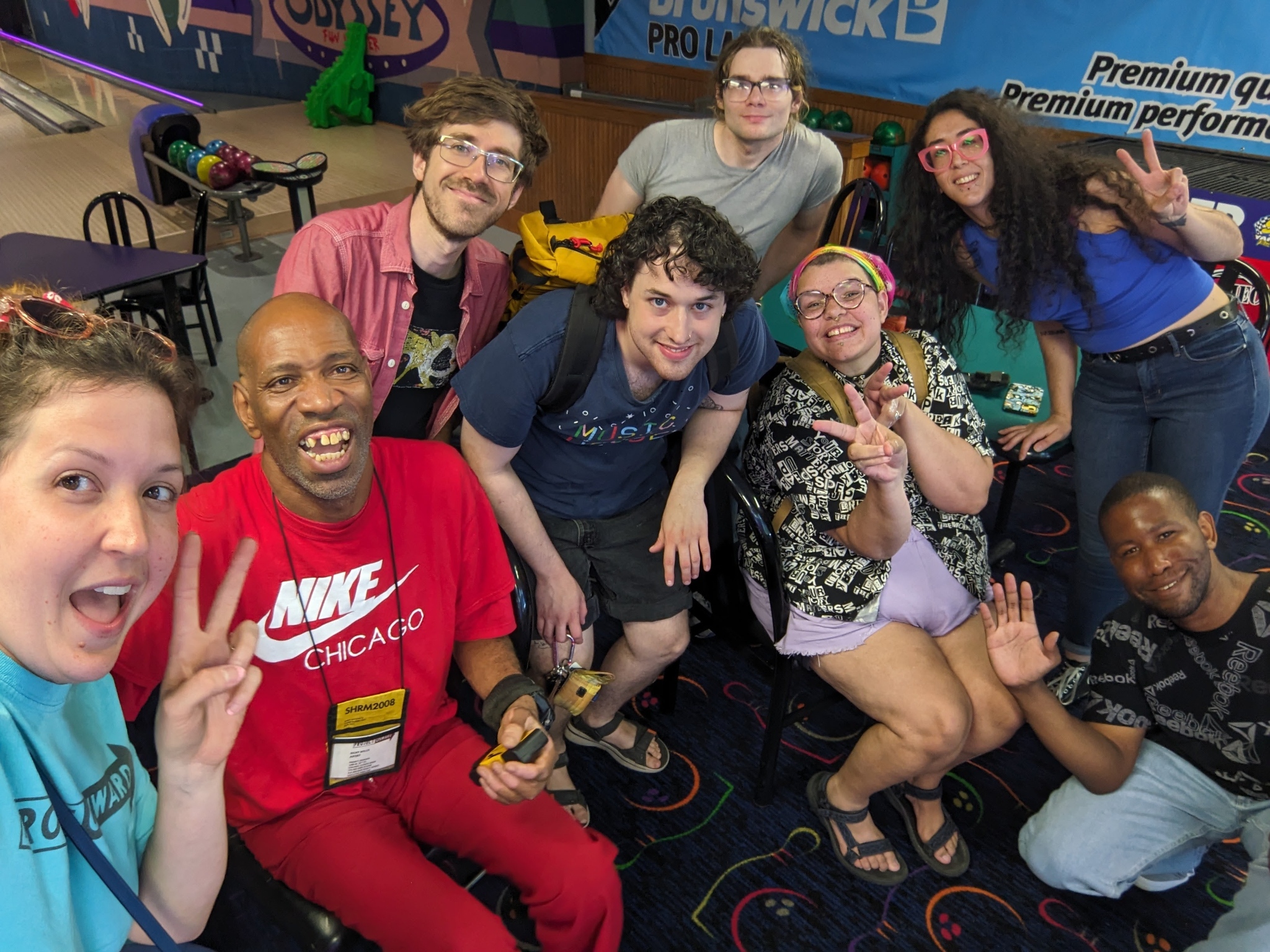
Project Onward at their annual artist retreat in Wisconsin.
When speaking with Nancy Gomez, Executive Director of Project Onward, it was inspiring to hear her talk about the artists. The warmth and admiration she feels for each and every one of them is tangible. She challenges people who expect the artwork to reflect the artists’ disability, and mentioned that when we look at Frida Kahlo’s art, we think of her as one of the greatest artists in history — not as a disabled person. Everyone has their own limitations, visible or not. Regardless, the unique languages, technical skills, and sense of vision the Project Onward artists have are incredible. Nancy, and the team at the RDLF, believe their art should be recognized for those qualities above all.
Browse their Instagram for an extensive portfolio of successful exhibitions and artist
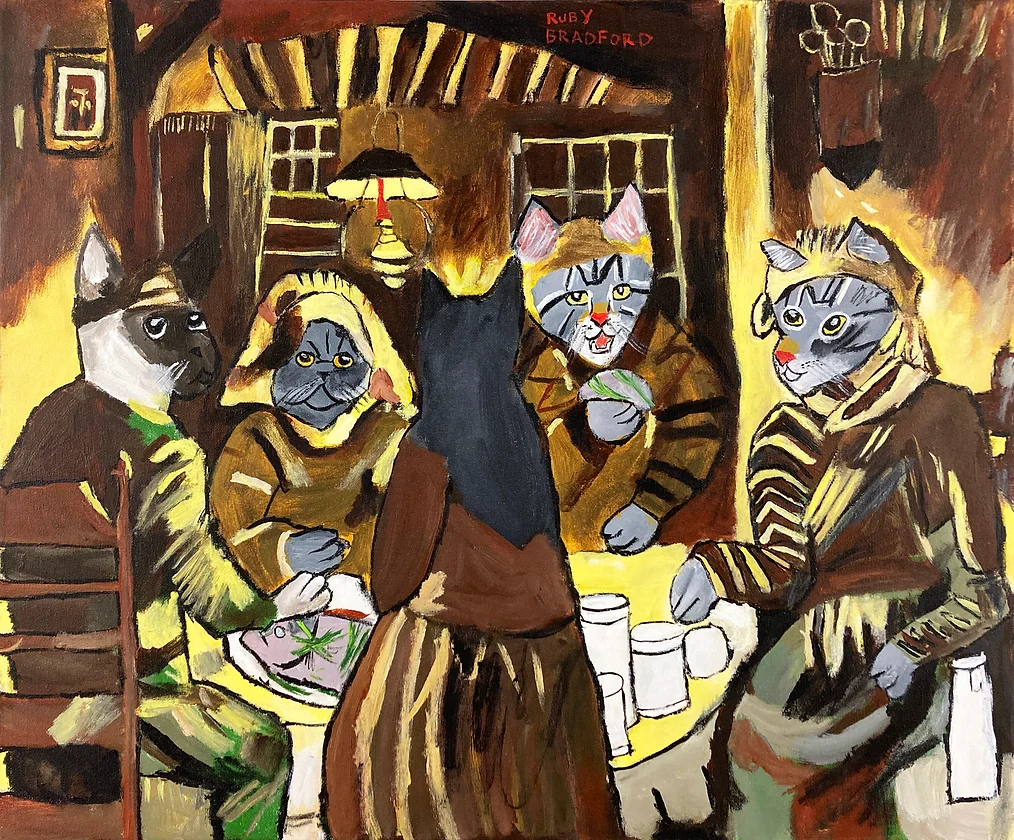
“The Fish Eaters (After Van Gogh),” R. Bradford
Alejandra Xanic, co-founder of the RDLF grantee Quinto Elemento, recently spoke to LatAm Journalism Review about the current challenges of journalists in Mexico.
“I believe we journalists in Mexico face a daily smear campaign that is affecting the way people receive us at home,” said Xanic.
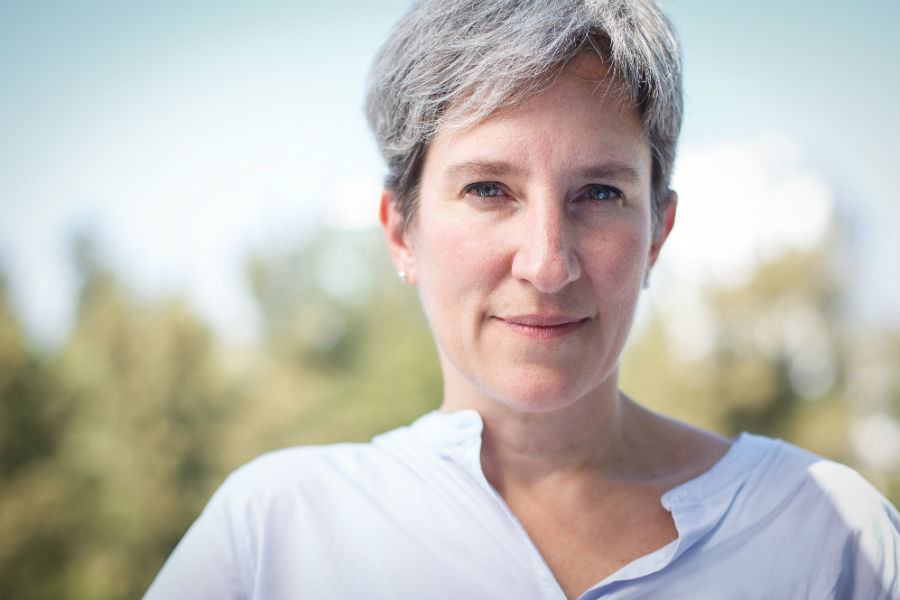
Alejandra Xanic co-founded Quinto Elemento, a nonprofit investigative journalism organization that seeks to combat corruption and impunity in Mexico. She was the director for 5 years before she stepped down to instead serve as Editor in Chief and co-coordinator of MásterLAB, Quinto Elemento’s pioneer training program for investigative editors in Mexico.
In her over 30 years as a reporter, Xanic has been no stranger to success. She won Mexico’s National Journalism Award in 1992 for her coverage of gasoline explosions that destroyed over 8 miles of streets in Guadalajara, which had been predicted in advance. In 2013, she received the Pulitzer Prize in Investigative Reporting along with David Barstow for their reports on how Wal-Mart used widespread bribery to dominate the market in Mexico, forcing them to publicly announce their future efforts to prevent bribery and corruption. The next year she went on to win the 2014 ICFJ Knight International Journalism Award, and this year she won the 2023 Maria Moors Cabot Prize for outstanding reporting on the Americas.
In LatAm Journalism Review’s article published last month, Xanic lists the challenges that journalists face in Mexico, one of the most dangerous countries in the world for journalists. She states that in the current technological environment, “social media violence should be considered as much of a threat as physical violence … as the former can translate into the latter.”
She goes on to paint a vivid picture of the effect journalism has in Mexico and strategies to protect its future, including the work she’s doing with MásterLAB.
Read more about Alejandra Xanic and Quinto Elemento:
The RDLF is proud to support Quinto Elemento. In addition to their quality investigative journalism, their collaborative approach demonstrates that journalists can accomplish more when they work together.
On Tuesday, September 19th, Disclose journalist Ariane Lavrilleux was taken into custody and her home searched by the French special intelligence service (DGSI). Disclose and other prominent journalism organizations are rallying behind this clear symbol of intimidation.
According to Disclose, the French special intelligence service “took the journalist into custody as part of an investigation into compromising national defence secrets and revealing information that could lead to the identification of a protected agent, which was opened in July 2022.” Lavrilleux is a co-author of the “Egypt Papers” series of investigations, revealing through hundreds of classified documents that France was complicit in multiple war crimes in Egypt. It is assumed that the DGSI wants to identify the sources who helped reveal the Sirli military operation in Egypt, which carried out aerial strikes against civilians.
Lavrilleux’s lawyer Virginie Marquet said, “I am appalled and worried about the escalation in attacks on the freedom to inform, and the coercive measures taken against the Disclose journalist.”
Journalist organizations around the world are rightfully denouncing the actions of the DGSI, as there is widespread international recognition that the confidentiality of sources should be protected.
Update 9/21/23: Lavrilleux was released on Wednesday evening after over 24 hours in detention.
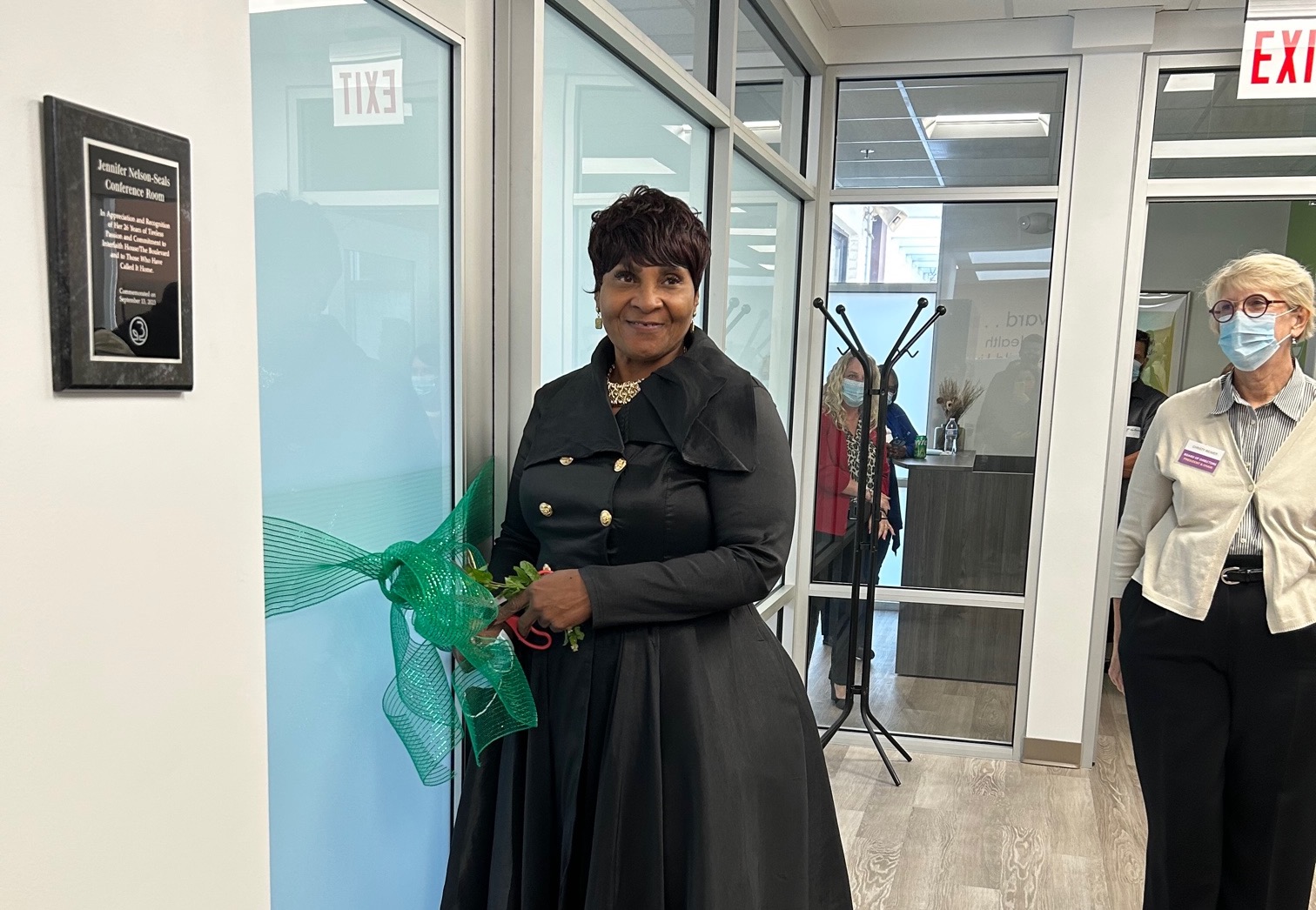
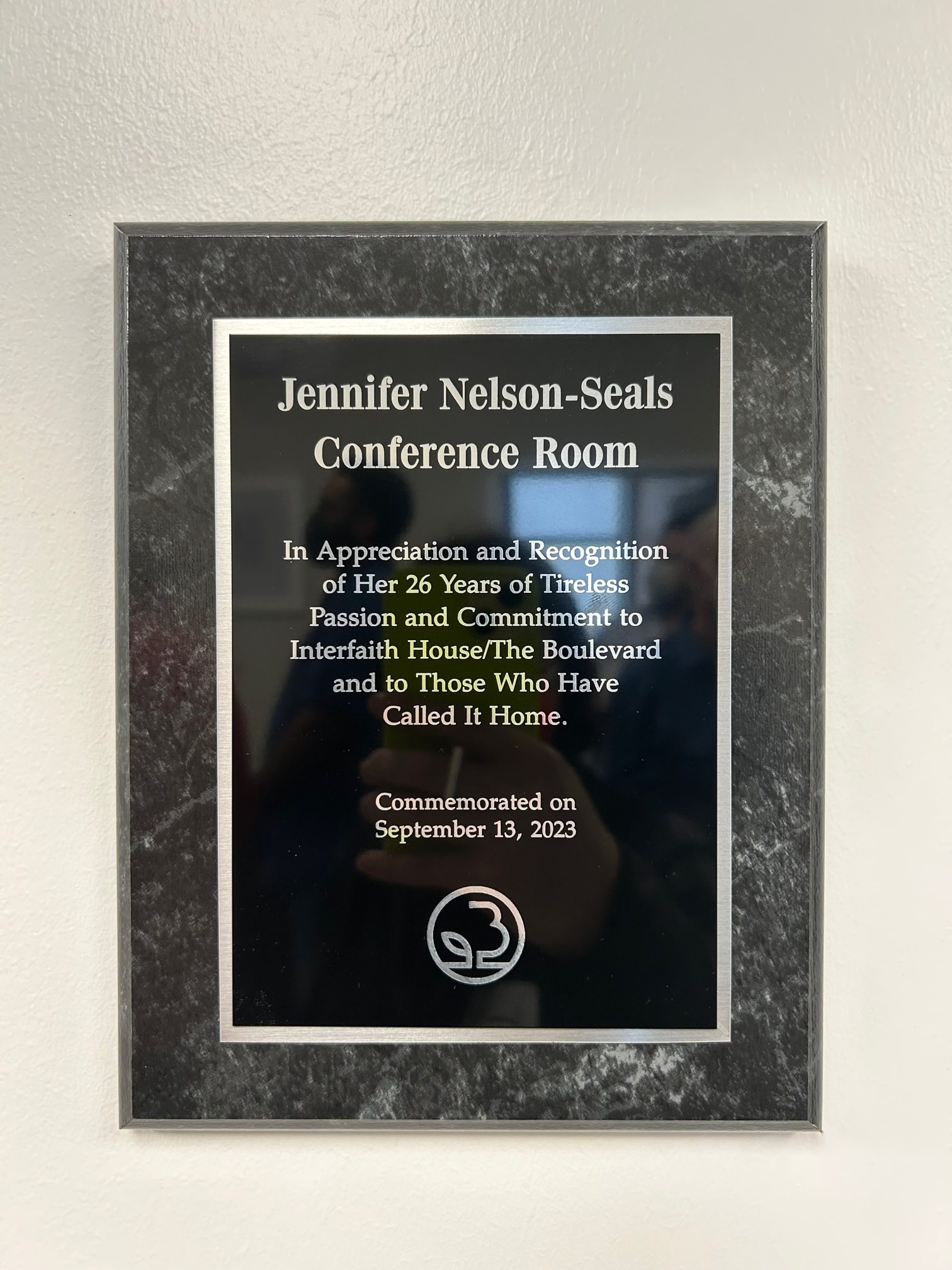
On September 13, our grantee partner The Boulevard of Chicago hosted an open house & dedication reception event to celebrate the rebuild of their facility’s east wing and dedicate the conference room in honor of Jennifer Nelson-Seals, former Interfaith House & Boulevard CEO. Current CEO, Richard Ducatenzeiler, and Board President, Christy Weimer, proudly welcomed attendees into the beautiful new space. Although Mayor Johnson was unable to attend in person, he recorded a video for guests to provide his well wishes and enthusiastic support for Jennifer’s legacy of leadership and The Boulevard’s innovative health programming.
“I want to join the chorus of voices today who are thanking and congratulating Jennifer Nelson Seals,” Mayor Johnson said. “Thank you for 25 years of incredible leadership as the CEO of The Boulevard. The amount of good that you have done in that time is, no doubt, immeasurable. The Boulevard is an amazing organization and a critical lifeline to so many of our families and brothers and sisters in Chicago. Thank you to this entire team, who is creating positive ripple effects all across our city. … I am wishing you many more impactful and successful years as an organization.”
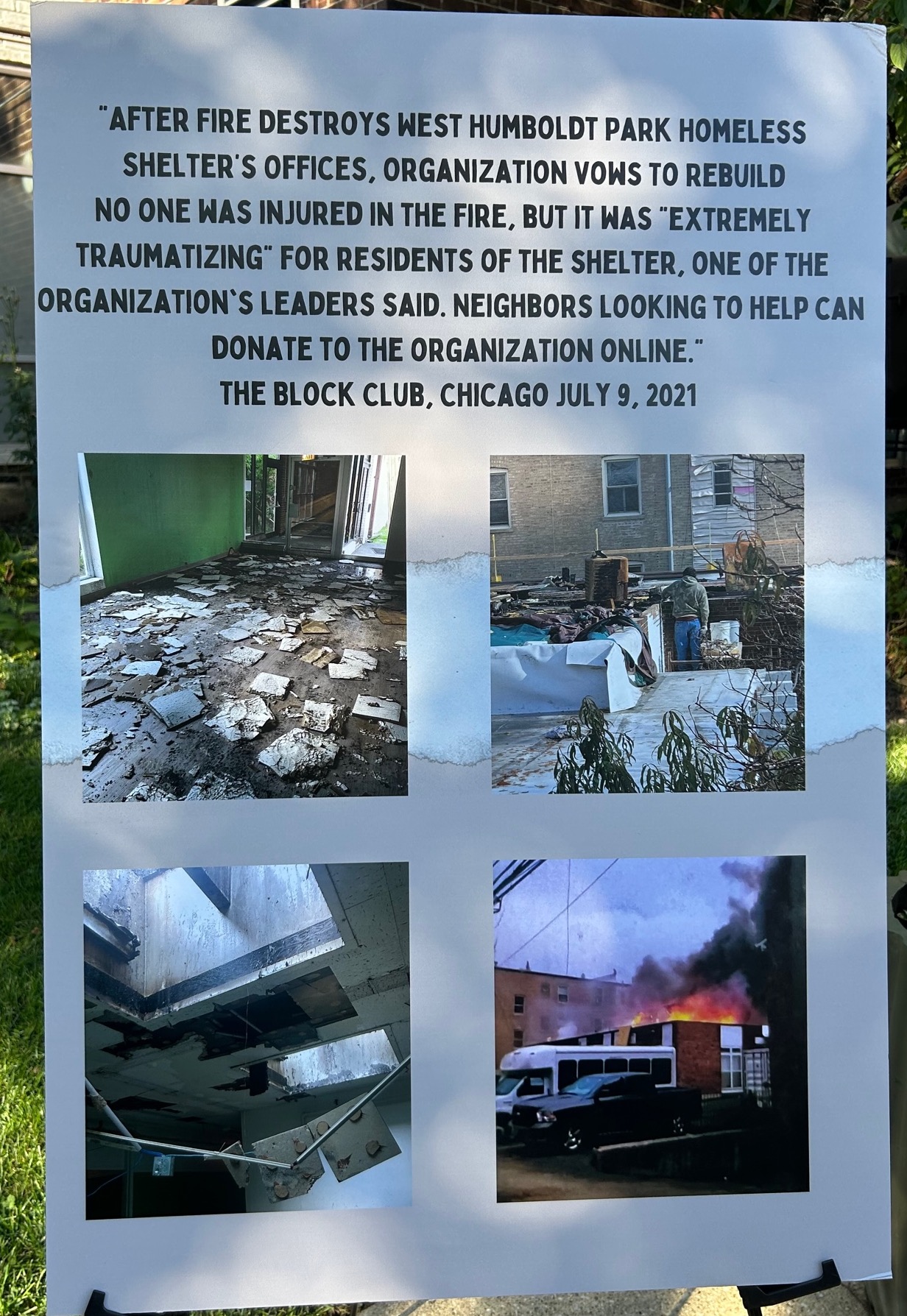
In July 2021, a fire completely destroyed the east side of The Boulevard’s residential facility where their program offices were located. The building had suffered extensive structural damage and needed to be completely gutted. Thankfully, no one was injured.
The Boulevard is an ADA-accessible residential facility that accepts unhoused adults who need time and a safe, clean place to complete their recovery from an acute medical condition.
“We’ve serviced so many souls who came through this door,” Jennifer said to an audience outside the new facilities. “Our success was different with each and every one that came through. Success looked like, they’d eat a meal. Success looked like, they were able to talk to their case manager. Success may have looked like, they went to their doctor’s appointment and started trusting their doctor. … And every person that walked through the door, I tell you, the staff, the board of directors, all played a key role in making sure that their living was not in vain.”
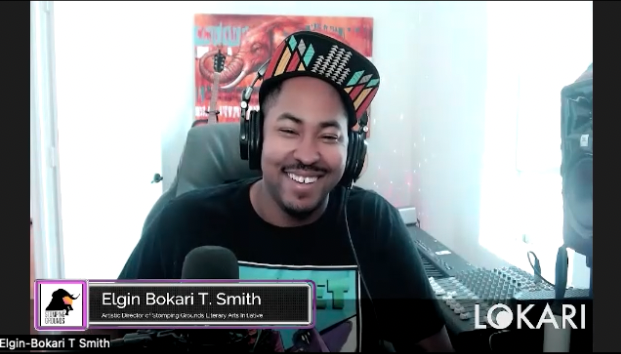
Sabrina Boggs, from the RDLF, recently interviewed Elgin-Bokari Smith about the long history and recent rebirth of Stomping Grounds Literary Arts Initiative (SGLAI). In addition to being the organization’s Artistic & Executive Director, he is also the Co-Creator of Pocket Con, the President of Elephant Rebellion, and a 2018 3Arts Awardee.
Tell us a bit about your background.
First off, my full name is Elgin Bokari. I’m originally from St. Louis, Missouri. I went to a performing arts high school, and then left from St. Louis to go to Chicago to attend the School of the Art Institute of Chicago. I graduated in… 2009? It’s been so long. My focus was graphic illustration. And I also took a side focus in ceramics, because I really love ceramics classes.
The [interest in] music production came from my entire life, to be honest. I grew up in a Baptist church, so singing was always a part of my life. My grandma was an amazing singer. She’s since passed on. She lived to be 101, which is pretty phenomenal. In church I was in a gospel choir group, part of the men’s chorus. Today, I am a member the men’s chorus at Trinity United Church of Christ.
Also, I took a minor in piano while I was at Central Vision Performing Arts High School. My piano teacher in high school really changed my trajectory. He is a really famous musician in St. Louis by the name of Ptah Williams, and he’s the master of piano improvisation. When he realized I could play music by ear, he said, “Man, you have a special gift. Let’s train your ear.” And that’s how I started making my own music. So from gospel, to learning classical piano, and just growing up in 90’s hip hop — that was my intro into music.
I attribute a lot of my later journey in life to two people, one of them being a soul singer from the 70’s by the name of Morris Jefferson. He was also a member of the men’s chorus, and he and I were working on a gospel album together. He had passed on, unfortunately, before we were able to finish the project. And then the other was from a group of activist-artists by the name of Elephant Rebellion. A young man by the name of John Vietnam was getting that group started when he was going to school in Madison. [After his passing], those young men and women decided to keep the group going and they recruited me. I learned more about hip hop production and stuff like that through them.
The logo for Stomping Grounds is an elephant. Does Elephant Rebellion come into play with that?
It 100% does. Matter of fact, the Stomping Grounds Open Mic started out of Elephant Rebellion. We originally created an open mic called Youth Empowerment Open Mic for the youth that we were organizing at Kuumba Lynx (KL). One of those youth ended up becoming a member of Elephant Rebellion. His name is Angel Pantoja — extremely talented young man. But we can’t bring all the kids to become a member of Elephant Rebellion, so we were like, why don’t we make an official open mic for Free Write Arts & Literacy [called Stomping Grounds], where we bring the young people from KL to help host and put on the event, and we invite our young folks who we’ve worked with inside the juvenile?
Elephant Rebellion’s logo by Elgin-Bokari Smith
It’s a space where they can showcase the skills that they had learned while they were incarcerated, and also be received by a group of kids who have already dealt with the law. And putting it at Chicago Art Department (CAD) in Pilsen was our idea, because that’s a centralized location for everybody to be able to meet. And a lot of the young people’s ops wouldn’t necessarily be going to an art gallery.
The idea of “Stomping Grounds” was, it’s the place where you go and get your feet wet, and get better at your craft. “Let’s all go to our stomping grounds.” Elephants stomp and move together. We wanted to continue that on [after Free Write dissolved], so once we got presented with the idea of continuing under a new entity, it was like, what is a name that the young people would know? That’s how Stomping Grounds Open Stage continued on from there.
How has your history with FreeWrite affected you and SGLAI?
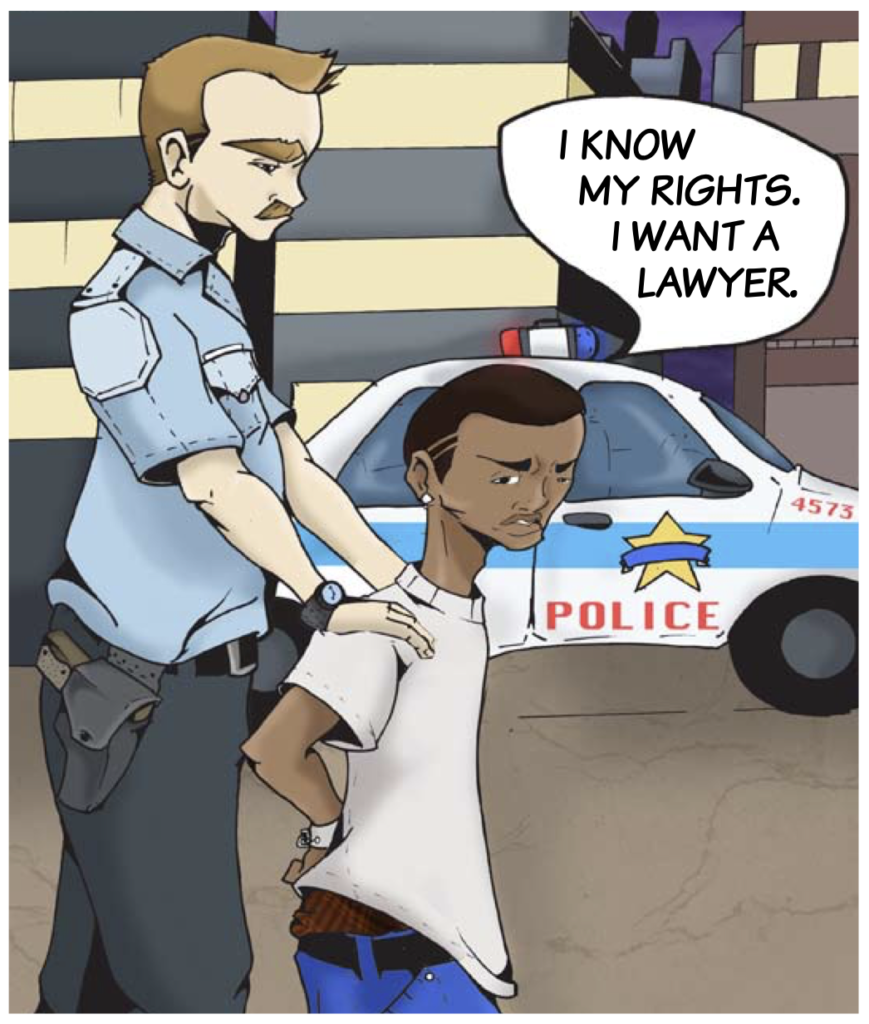
I came into this justice work, specifically working with youth who are incarcerated, because of my work that I did with Free Write. It most definitely changed my life. My first day that I went to teach for Free Write, I was a little afraid. As a fresh 22 year old straight outta college, I was like, these young people aren’t gonna wanna learn from me. So I think I’ll bring some art with me. And maybe when they see my artwork they’ll want to learn from me then. When I was in the line scan, I ran into Jean Meister, who was working on the Know Your Rights booklet. And she was like, “Oh, these are really cool drawings! Here’s my email, do you have a card?” And that ended up being the beginning of “Your Guide to the Juvenile Justice System.”
That same summer, I got hooked up with the Hull-House Museum because they were working on a comic zine series called Unfinished Business. And they had recruited me to make a comic book about my experience as a teacher inside the juvenile system. So that entire summer I taught a class for Unfinished Business, teaching young people about comics. And I ended up making a comic book expressing how that summer went. It’s called Youth Stories. It was used to teach instructors things they should know if they teach in an incarcerated space. So two of my publications came from [connections made in] my first year teaching at Free Write.
Because of Know Your Rights, I got a chance to go back to St. Louis when the uprisings were happening with Mike Brown. I was able to take that comic and go speak to lawyers in St. Louis about what they should do and how this material can be transferred over. That’s also how I was able to meet Kristiana and Damon from Let Us Breathe Collective, and talk to the Lost Voices and the rest of the organizers of St. Louis who were holding it down. I was able to share the comic book with them, as well as help them peacefully protest. All this came from that one day of showing up with some sketches to go teach.
At Free Write, I was teaching in the jail, and in the community at the Gary Comer Youth Center (GCYC). And that’s when I came up with the idea of Pocket Con, because there wasn’t enough artists of color that looked like me working with kids on the South Side. Kids can’t see comic book characters who look like them if there aren’t any artists that look like them doing it. I’m a Black illustrator so obviously we exist, and I wanted them to know more about that. We did the first three conventions at GCYC.
A lot of that work was us flying by the seat of our pants. At the end of the day, I don’t think that I would have been a program director if Free Write didn’t give me the opportunity to grow and the space to be creative. Despite the way that they ended, they helped to inspire a lot of people. It’s a lot to live up to.
So far, what is your biggest achievement, and your biggest obstacle?
Man, biggest achievement… I don’t really think about myself like that, so it’s kind of a weird thing to think about. Having the courage to continue this organization under my own entity, it’s been a huge accomplishment. I’m tired. I’m really tired. But the fact that we’re able to do this work now in facilities is really amazing. Also, this might sound kind of weird, but between about 2021 to when we started in April [2022], being able to say that I was able to support myself financially through my own music production and creation during that time, while also getting [SGLAI] to the point it’s at right now, is a huge achievement.
When [Free Write] went down, that was probably one of the worst lows of my life. Easily. Imagine everything that you knew, your norm for about the past ten years, is now gone. Not only is it gone but, people say you have to do it on your own now. All those things that you had to help you hide your insecurities, hide what you’re not as good at, you now have to go figure that out. And you gonna be broke for a while. For real. But I’m proud to say I never missed a meal, I never missed a rent payment, nothing. Out of all the awards, songs, gigs, whatever…. Saying that I was able to survive and not worry too much about stuff… That was huge. And I was really proud that Richard Logan believed enough in the work to want to see it continue.
As far as the biggest obstacle… Time. Time management, finding breaks, and I think just taking a chance to just learn a lot of new things. I also think one of the biggest obstacles is the spirit of comparison. Social media is dangerous sometimes. Comparing yourself can ultimately destroy you. It’s like how you just asked, “What’s your biggest accomplishment?” And I’m like, “Uhhhh, well, here’s all the things I haven’t done! Here’s all the things I gotta do!” We live in a society that’s obsessed with what’s next. “Have you seen this, have you seen what that person’s doing?” Trying not to get boggled up into the spirit of comparison is probably one of my biggest obstacles.
What experience from SGLAI’s short history has really stuck with you?
The online experience throughout the pandemic was pretty cool, mainly because it forced us to grow in a weird way. Also, we were able to bring in some artists that you never get a chance to [work with]. It was cool to be like, “Hey, I’m gonna jump on a Zoom call with Ruby Ibarra,” or “with one of my favorite artists Substantial.” And also to get people to participate from all corners of the world was really fun. Being able to add that hybrid version of it right now, I think this is one of the most creative times we’ve ever had with Stomping Grounds. It’s added another level of safety that people don’t really think about.
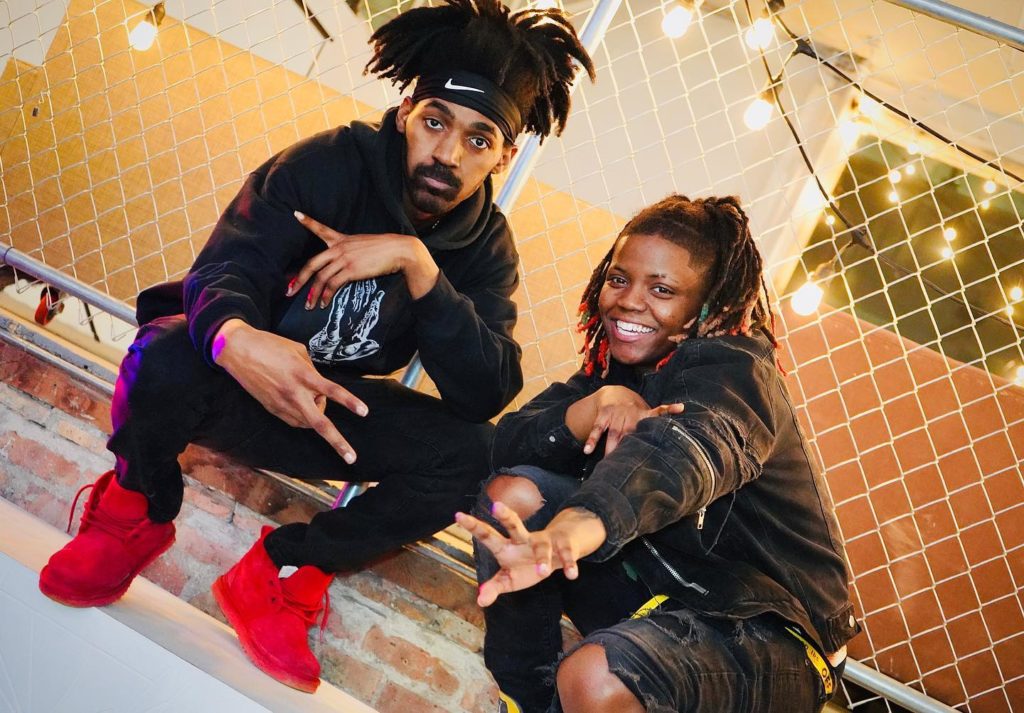
MceeBaby is pictured on the left.
One of the things that sticks with me the most is when we were first getting it together. I made sure that I talked to everyone I knew that was doing open mics. I let them know what I wanted to do with Open Stage to make sure I wasn’t stepping on their toes, but also bringing something that their youth would also want to receive. So it was like a “both, and.” One of my favorite open mics during that time was called The Gala, and the host of that open mic was Binkey. I brought him in to teach a hosting class for the music production crew at Kuumba Lynx.
One of the youth that came to that, his name is MceeBaby. He was the host that first day of Stomping Grounds, and he’s still the host today. So he’s been hosting that open mic for damn near six years now.
We know SGLAI is holding programs at CAD again. Have you restarted Open Stage in the prisons as well?
We’ve done one so far, and the young people are ready for a second one. We did our first Stomping Grounds Open Stage in the Illinois Youth Center (IYC), actually within the first 6-7 weeks of starting programs. Mainly because IYC was really excited about us coming back, and they really wanted an open mic. It was cool, for the first one. We most definitely want to do it on a larger scale. People are asking about it, especially in the Juvenile Temporary Detention Center (JTDC).
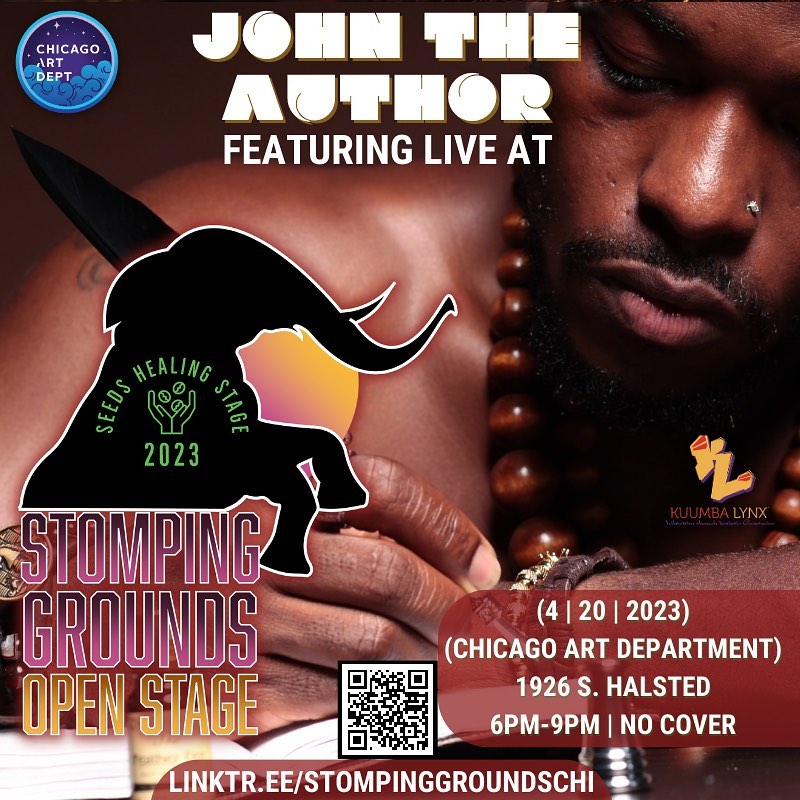
But the first one at IYC in Chicago went really well. Our featured artist ended up being John the Author, who is a really amazing musician. He came in on two different occasions. The first was him coming in the third week of programs to do the same workshop he would do within the outside version of Stomping Grounds. But this time the young people had time to sit with his workshop, come up with some pieces, and then have a place to perform it in the next four, five weeks when he came back to do a feature. That way the featured artist is able to see the effectiveness of the workshop that they led. But we are planning more inside of the juvenile. I have to keep reminding myself, it’s only been since April, man, calm down. We haven’t been at it this long.
What changes to the youth justice system would you like to see?
I wanna see more youth creative spaces where young people are able to express themselves, and also have tangible resources that they can use. I feel like right now we’re in a really interesting space because the pandemic has changed everything in a sense. From 2016 to 2019 was the peak, that I saw, of real youth justice social interaction. It was bubbling up after Trayvon Martin, but after Mike Brown died, I think that’s when young people were really like, “Alright, we gotta do something.” And that’s where we see [in programs like] Brave New Voices and Louder Than a Bomb, young people actually have places to express themselves, and are getting rewarded for these types of things. It felt like an energy around the city when folks really wanted to get out and organize on a larger scale.
And I feel like it has significantly dropped off since the pandemic. People are really fighting to feel normal again. I don’t know what it felt like for young people to have to have graduated on Zoom, or meet their classmates online. What happens to our human interactions, you know? Our youth have been crying out for quite a while. When people show up downtown and destroy all your shit, it’s for a reason.
We are trying to turn our kids into adults so quickly. I even see it in the content of what young people wanna talk about. I wasn’t thinking about talking about none of what the kids talk about nowadays. Lean, getting high, sex — I wasn’t thinking about that as a kid, like not really! So I really wanna see us get back to a place where not only do youth feel understood, but feel comfortable being vulnerable, and being just kids. We have to grow our kids up so fast because we’re afraid. But they don’t have a childhood no more. We put so much pressure on kids nowadays to figure it out and be ready, but I think a lot of us are still figuring it out too. You shouldn’t have to do that at 10 years old. You shouldn’t be trying to fight for your life and fend for your family at such an early age. So when we talk about youth justice and juvenile justice, I really want a place where people feel cool just being kids again.
One last question: What do you want the world to know about SGLAI?
That we are small but mighty. That we’re learning. Just like in the title, Stomping Grounds, this is where we figure it all out. That we are very passionate about wanting to do things right, to move with intention. And even when we don’t get everything right, we’re working on it. We are continuing work from an organization that’s been around for over 20 years now, but this is a brand new organization, and I’m treating it as such. It’s about what we’re doing now. It’s about the work that young people are gonna make from this point forward. From April 2022, that’s the work that you are hopefully buying into. We’re getting our feet wet and we are growing every day, just a little bit more. And I can’t wait for the team to expand. And we gotta expand with intention, that’s all.
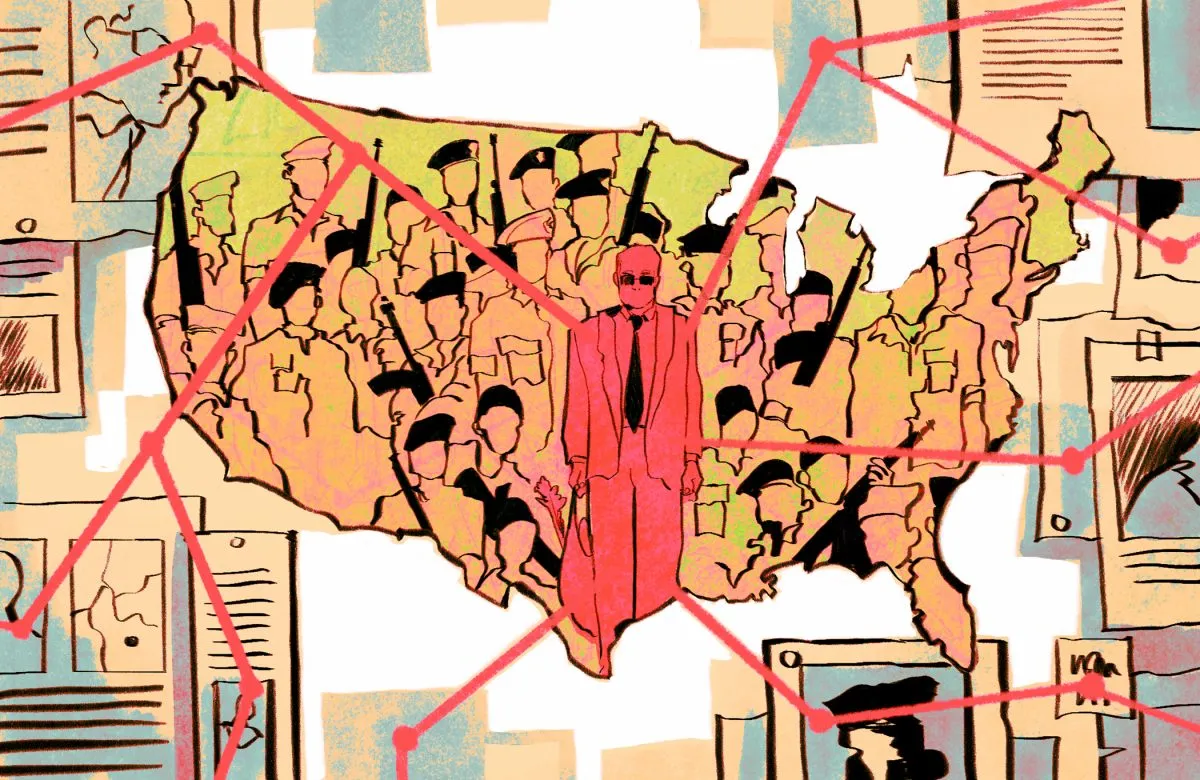
Credit: Molly Mendoza for Reveal, used for their episode titled “My Neighbor the Suspected War Criminal”
One of the longstanding organizations in the Foundation’s journalism portfolio and undeniably one of the best non-profit newsrooms in the country, Reveal, from the Center of Investigative Reporting, recently won 3 National Edward R. Murrow Awards.
The awards include homegrown investigations, an original partnership with the AP, and continuing coverage pulling from multiple hour-long episodes with both staff and freelance reporters.
This is a huge haul of awards for any newsroom but even more significant in a newsroom of this size. For comparison, NPR earned three awards this year. “This American Life” and American Public Media each earned one.
The Edward R. Murrow Awards “recognize local and national news stories that uphold the RTDNA Code of Ethics, demonstrate technical expertise, and exemplify the importance and impact of journalism as a service to the community.” The Code of Ethics includes three major principles: truth and accuracy above all, independence and transparency, and accountability for consequences.
If you haven’t listened to Reveal before, it’s time to start. The investigations always “go deep” and cover a wide range of topics and interest areas.